Two veneers can look similar in a photograph and differ by a factor of three in price. The difference is almost entirely in how they were made and by whom.
Pressed and milled Emax
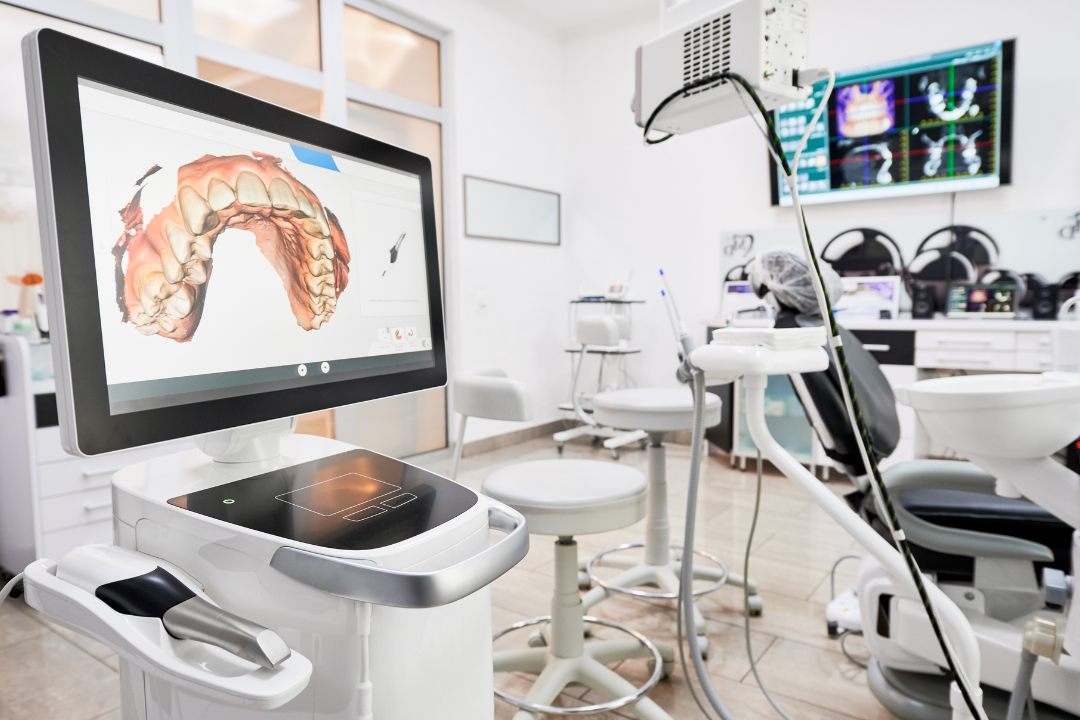
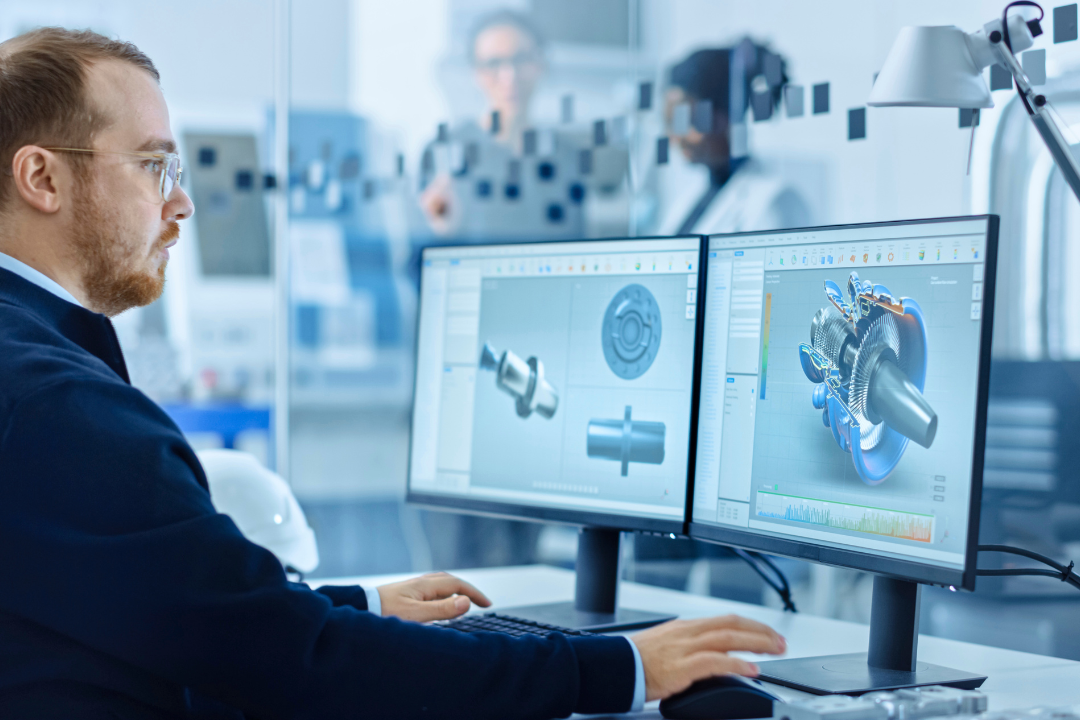
Lithium disilicate, sold most commonly as Emax, can be pressed from an ingot or milled from a block. Both produce a strong, reliable restoration with good optical properties, and both can be made largely by machine.
This is the workhorse of modern aesthetic dentistry and it is genuinely excellent. It is also the more affordable route, because the process is efficient and reproducible.
Hand-layered feldspathic
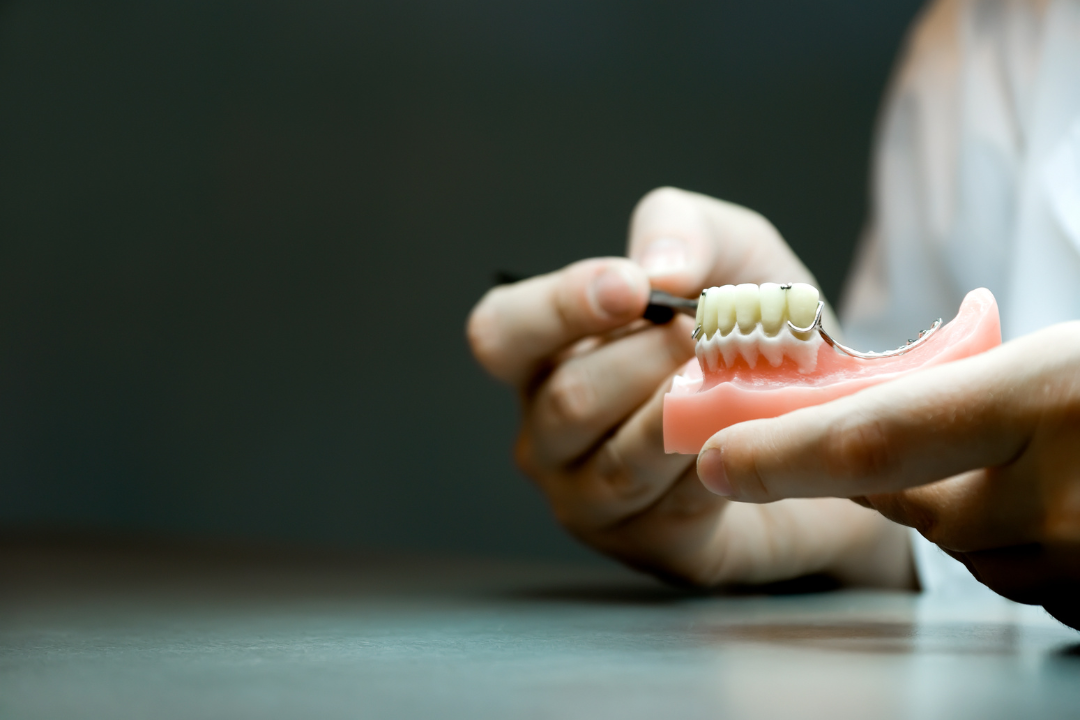
Feldspathic porcelain is built up by a ceramist in successive layers on a refractory model, with different powders creating internal effects, translucency at the edge and the subtle mottling real teeth have.
It can be made thinner than almost anything else, which means less of your tooth is removed. It also takes a skilled technician many hours per case, and that is what you are paying for.
Where each one belongs
For most patients, well-executed Emax is the right answer and looks superb. Feldspathic earns its cost in demanding situations: a single central incisor beside a natural one, or a patient whose remaining teeth have a lot of character to match.
Anyone who tells you one is simply better than the other is selling something.
What this means for advertised prices
When you see very low per-unit veneer prices advertised, you are almost certainly looking at monolithic milled units with minimal characterisation. That may be perfectly appropriate for your case. It is just not the same product as the photographs usually shown alongside it.
Ask what material, made by which method, and whether a ceramist characterises each unit individually. The price will make sense immediately afterwards.
If you want to know how this would apply to your smile, book a remote consultation with us.