Reviewing a treatment plan together on screen changes the conversation from being told what will happen to understanding why, and patients decide better with that.
What we put on the screen
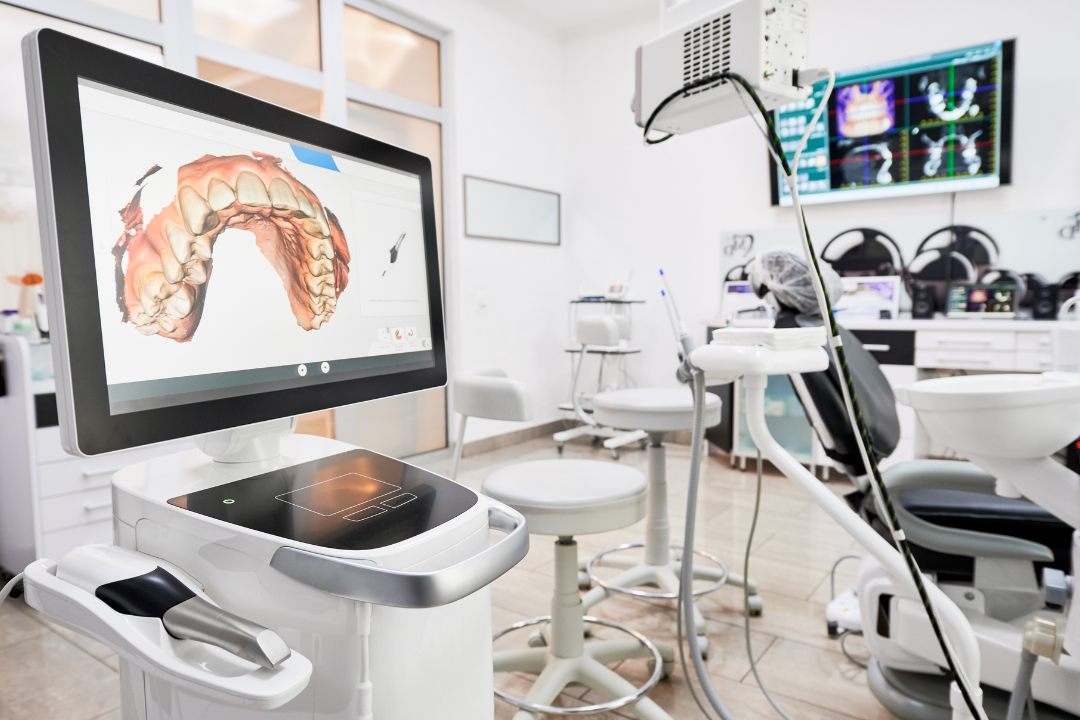
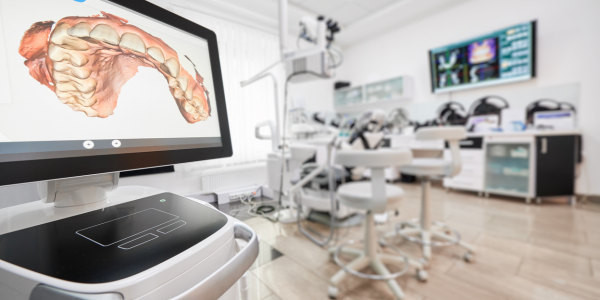
Your own radiographs and CBCT slices, your photographs, the scan of your teeth, and the proposed design over the top. Not stock images or a generic presentation.
Seeing bone loss around your own molar is a fundamentally different experience from being told there is bone loss around your molar.
Why it produces better decisions
Consent means very little if it rests on a description you could not picture. When you can see the finding, the proposal and the alternative side by side, the choice becomes yours in a substantive way.
It also surfaces disagreement early. Patients frequently say they would rather keep a tooth we had planned to replace, and that conversation is far better before treatment than during.
What you should ask to see
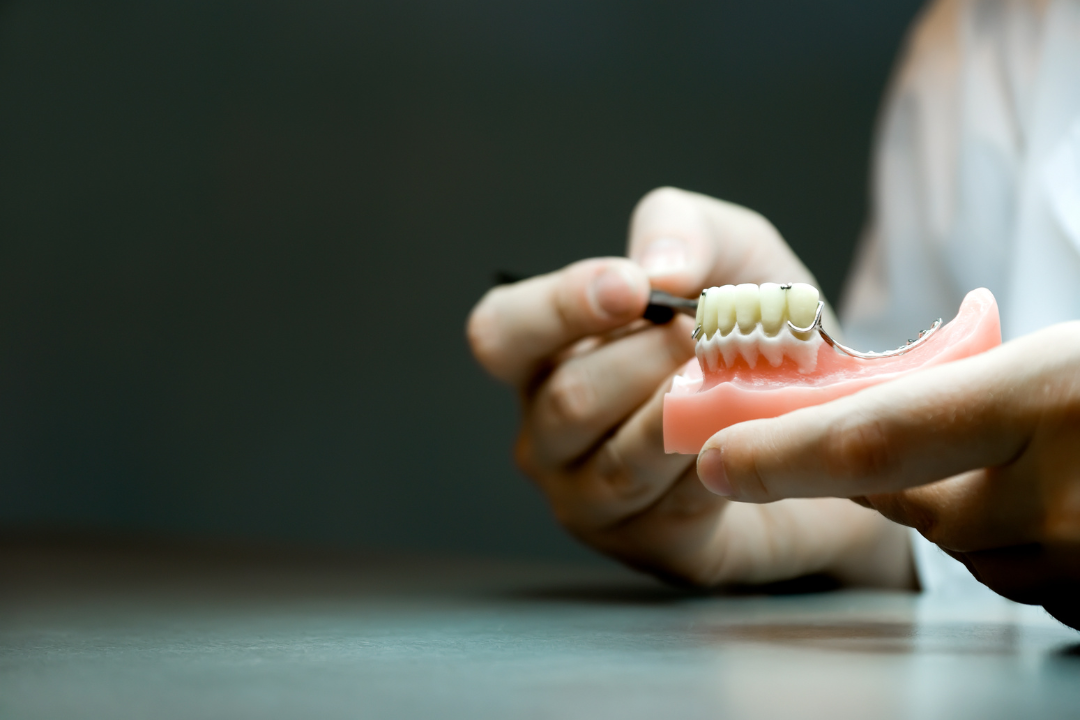
The specific findings, not the summary. What the alternative would look like. Which parts of the plan are certain and which depend on what is found once treatment starts.
Ask what happens if the contingency occurs, and expect a number.
Take it away
The plan, the images and the estimate should go home with you. Decisions of this size should not be made in the room where they were presented.
Nothing is lost by a few days, and anyone discouraging that is telling you something worth hearing.
Expect to see your own data and to leave with a copy. Understanding the reasoning is what distinguishes a decision from a signature.
Questions about your own case? Send us your photos and we will walk you through the options.