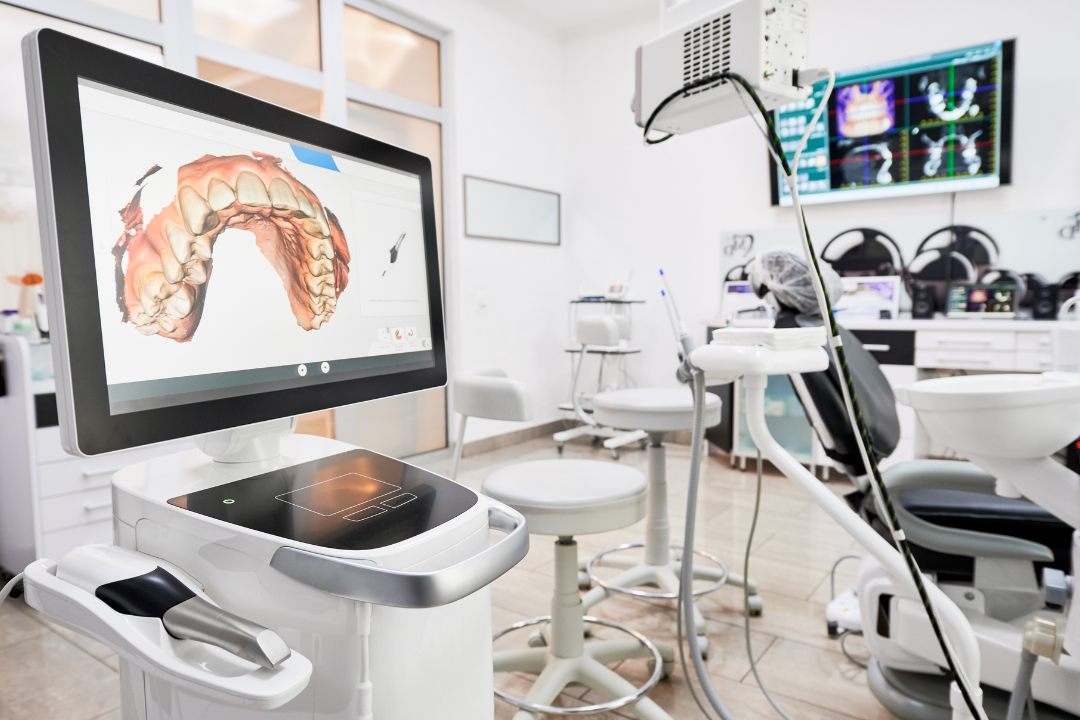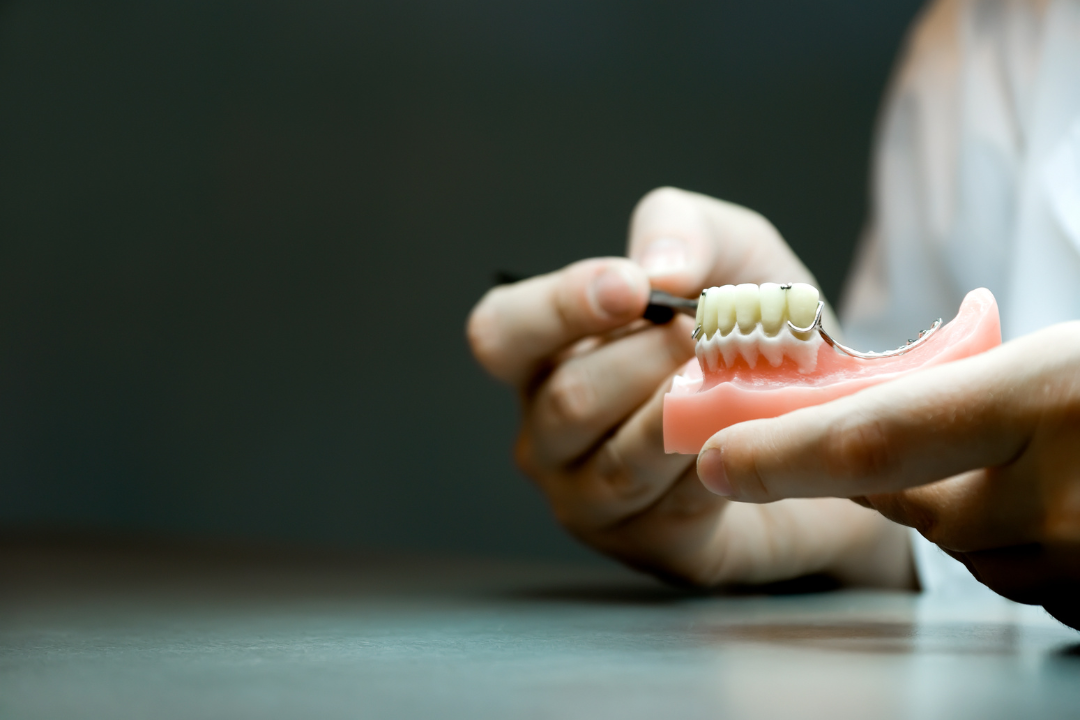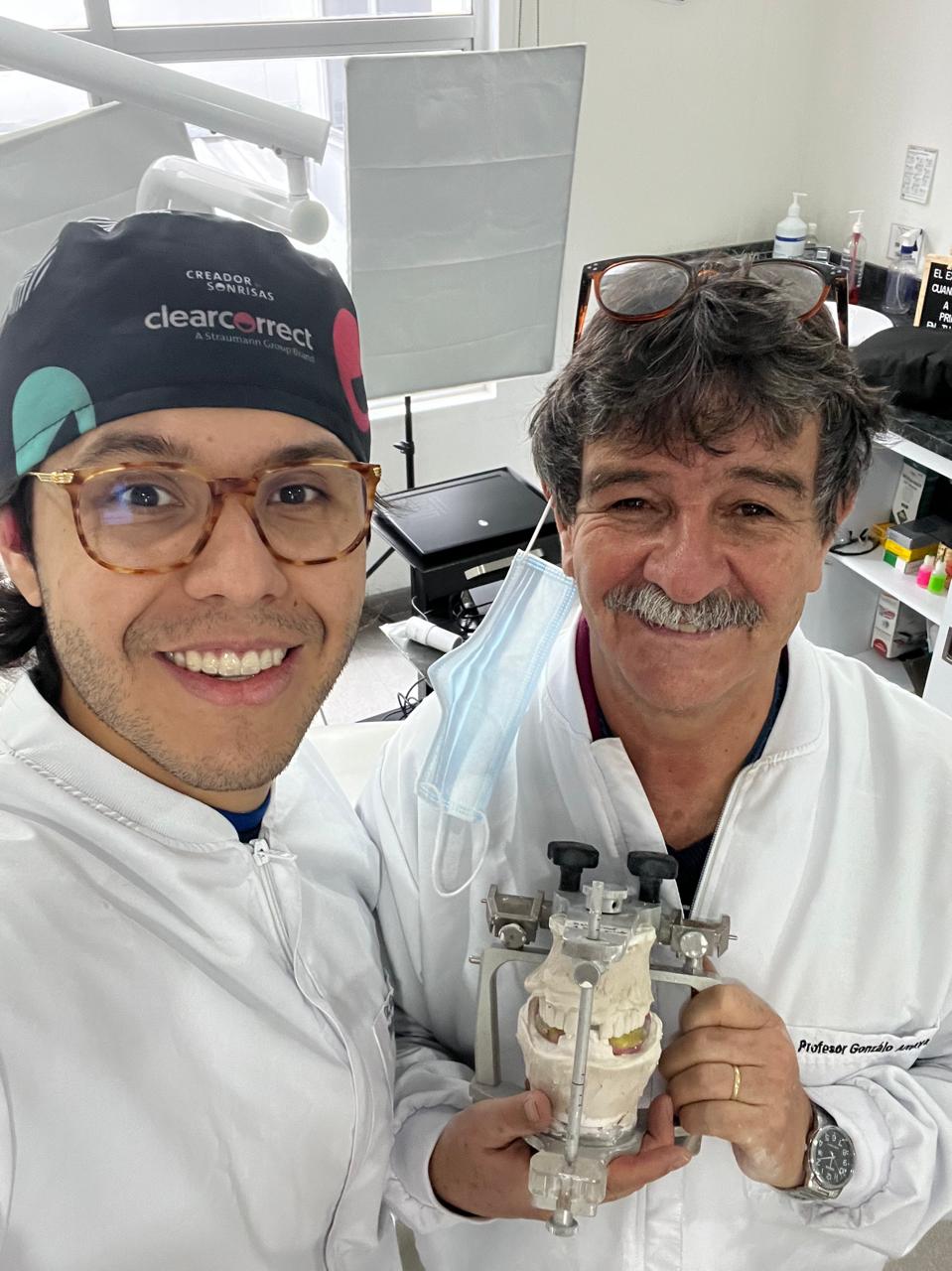
Whether the laboratory sits in the same building or on another continent affects your treatment more directly than most patients realise, and it matters most if you are travelling.
The feedback loop
When a restoration comes to try-in and the shade is marginally off or the shape needs adjusting, an in-house ceramist can be at the chair, see your face, and correct it that day.
Outsourced work means shipping it back with written notes and photographs, and a wait measured in days or weeks. On a seven-day treatment window, that wait does not exist.
Seeing the patient
A ceramist who observes your complexion, your existing teeth and how you smile is working with information no photograph fully carries.
For a single anterior restoration matching a natural neighbour, this is close to decisive, and it is the case where outsourcing shows most.
Where outsourcing is perfectly reasonable
High-volume, well-specified work such as posterior crowns and implant components is produced excellently by large laboratories, often with better equipment than a small in-house facility.
The distinction is not that in-house is superior. It is that different work has different requirements.
What to ask
Where the laboratory is, whether the ceramist can attend the try-in, and what happens if an adjustment is needed while you are still in the country.
For a travelling patient the third question is the one that determines whether the schedule survives contact with reality.
Ask where your restorations are made and whether the person making them can see you. For anterior aesthetic work the answer materially affects the result.
For an individual assessment of your case, you can request a consultation at our Bogotá practice.