The Difference Between a Simulation and a Promise
A digital simulation of your future smile is a genuinely useful tool and a genuinely misleading marketing image, depending entirely on how it is presented to you.
A digital simulation of your future smile is a genuinely useful tool and a genuinely misleading marketing image, depending entirely on how it is presented to you.
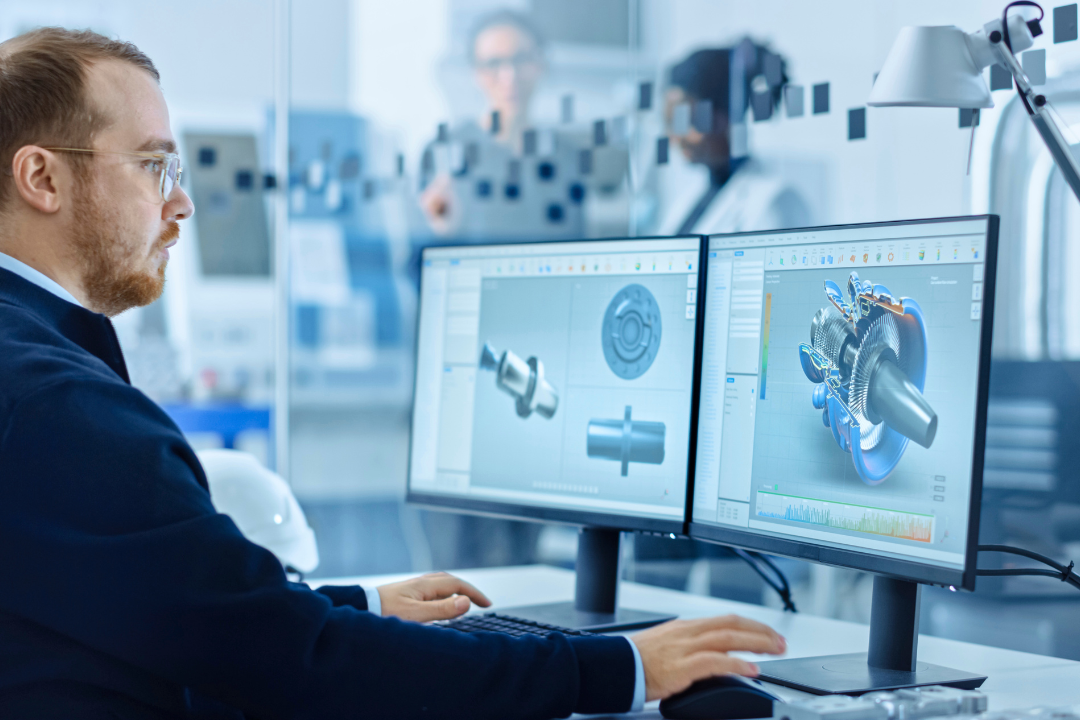
Guided surgery is marketed with an implied precision that deserves scrutiny. The evidence supports it clearly, and it does not support perfection.
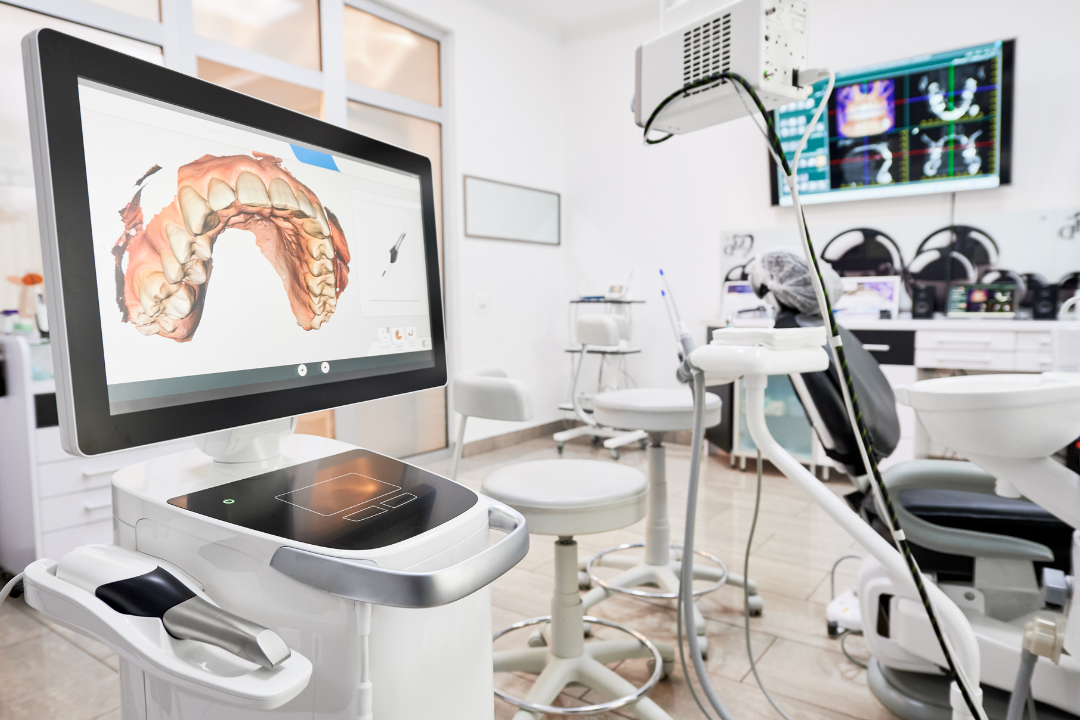
Reviewing a treatment plan together on screen changes the conversation from being told what will happen to understanding why, and patients decide better with that.
Minimally invasive is used loosely enough to have lost meaning. Here is what actually makes a veneer conservative, and why digital planning is what makes it achievable.
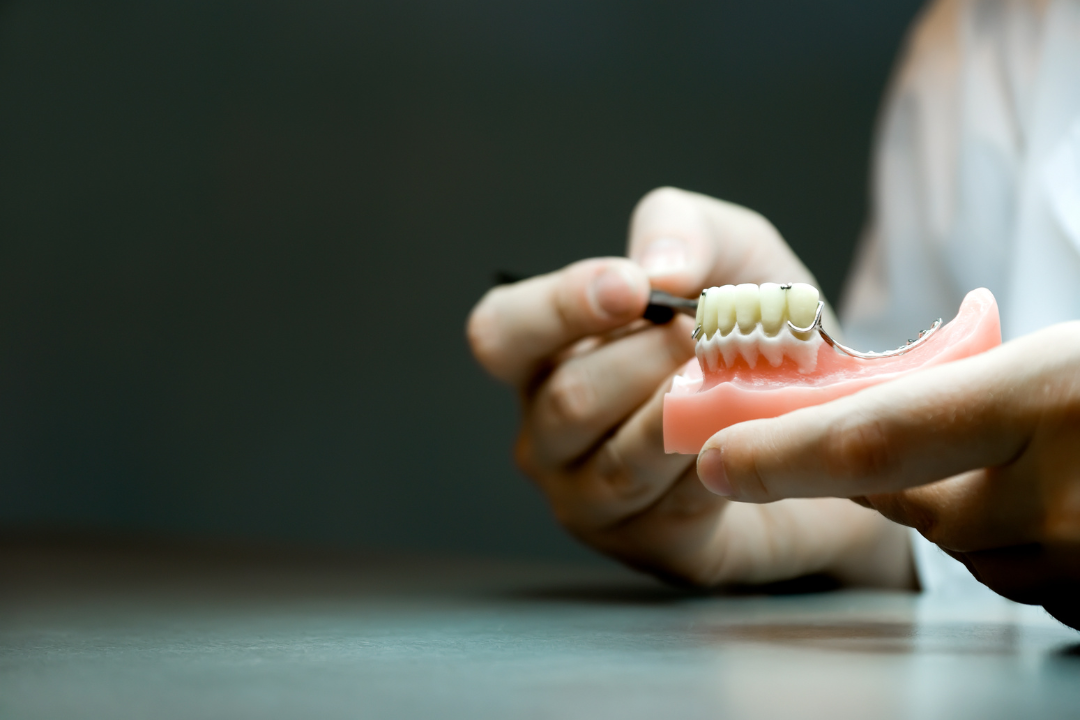
Whether the laboratory sits in the same building or on another continent affects your treatment more directly than most patients realise, and it matters most if you are travelling.
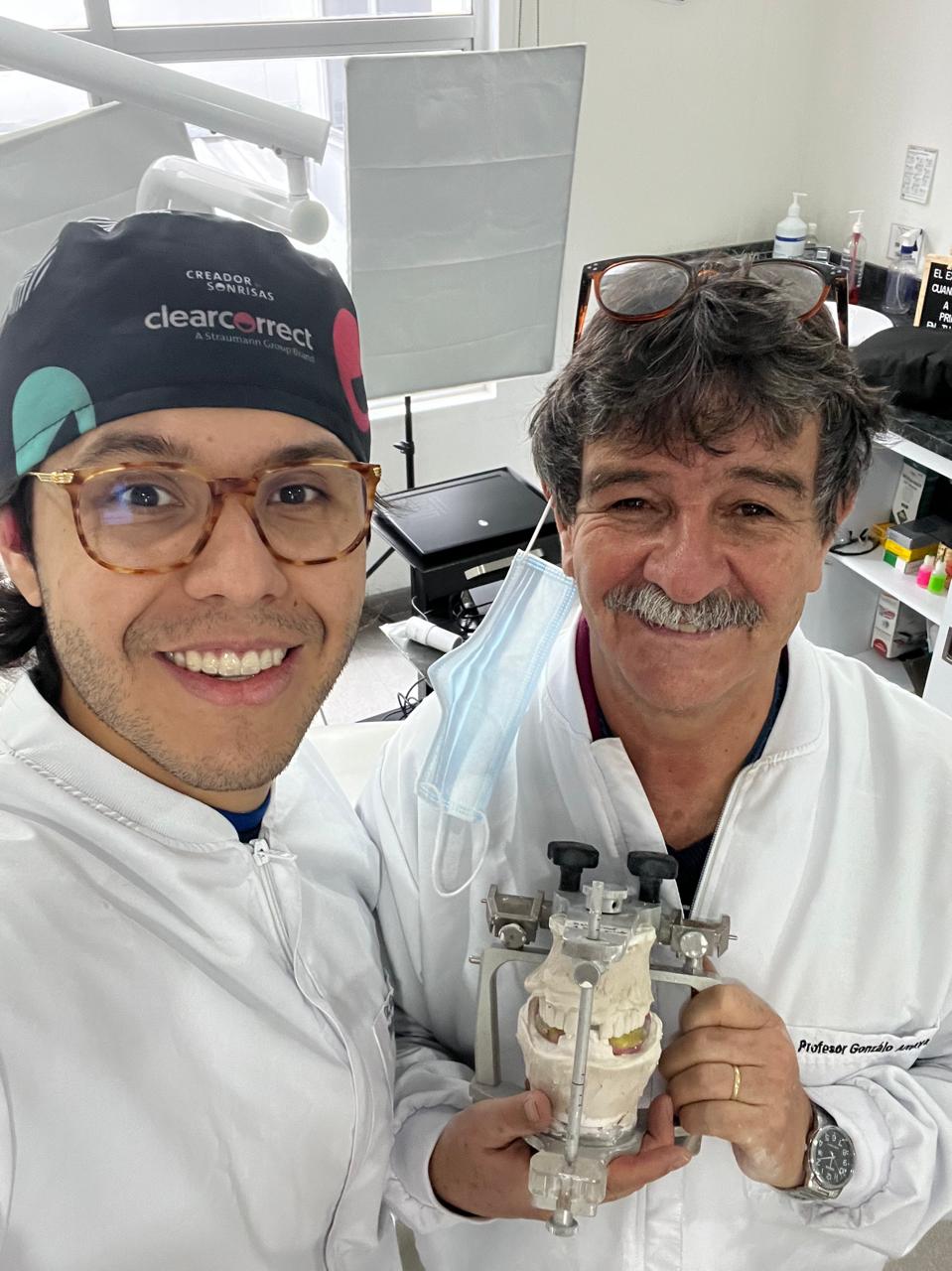
Teeth can be technically perfect on a model and wrong in a face. Facial scanning exists because that gap is real and surprisingly common.
Before rebuilding an entire bite, it is worth being able to test it. The virtual articulator is how that testing happens without committing anything.
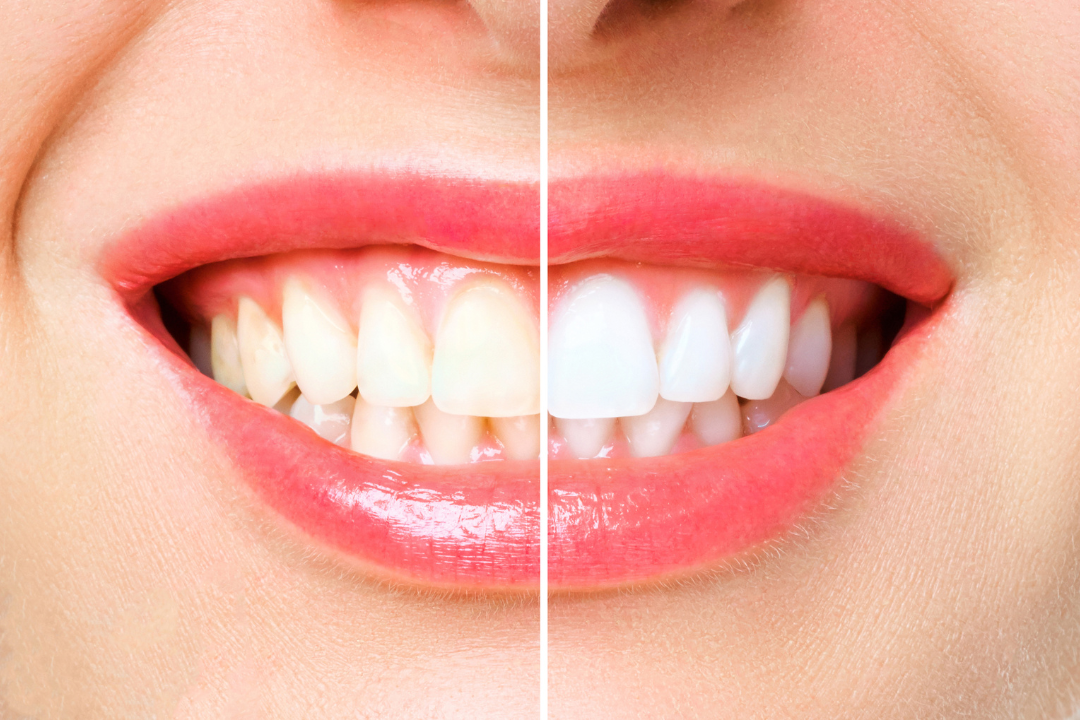
Shade matching by eye is one of the least reproducible procedures in dentistry, and the reasons have nothing to do with the skill of the observer.
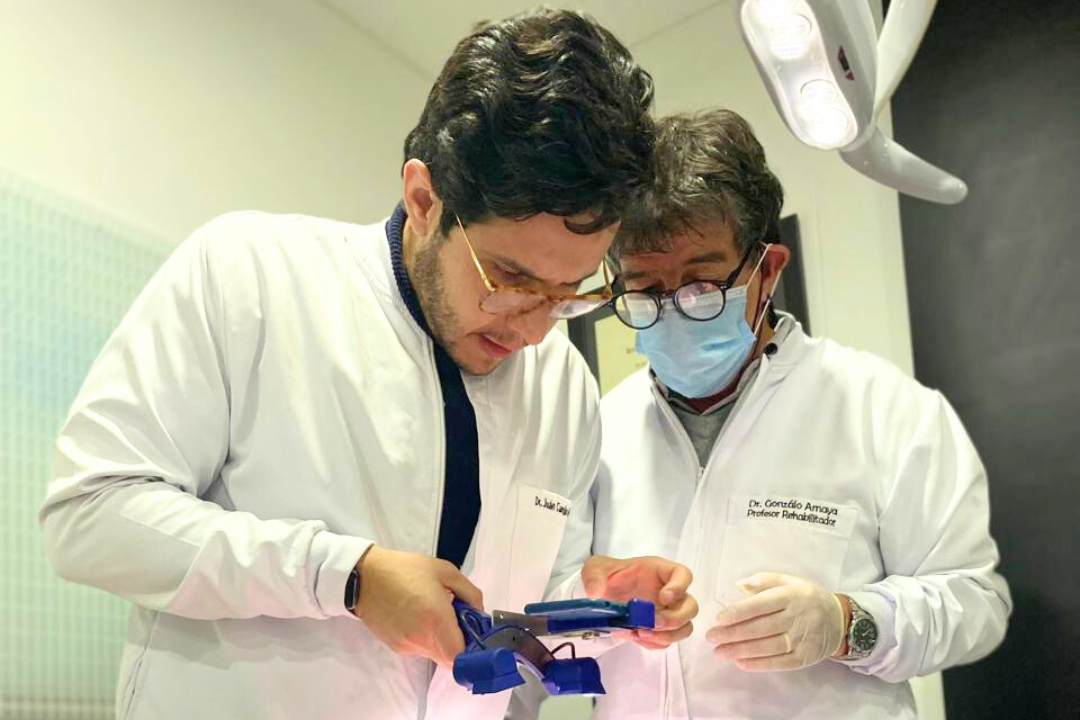
Standardised photography is the least glamorous part of the process and among the most reliable predictors of how the case will turn out.
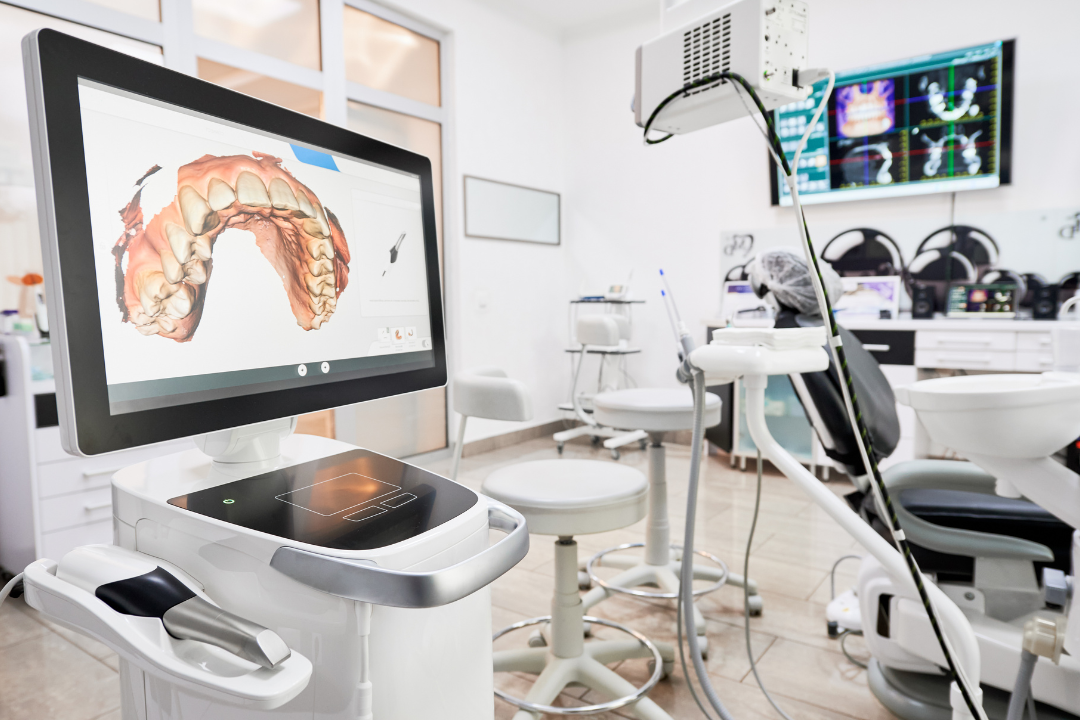
The saving from digital planning is not that machines work faster. It is that decisions get made before you arrive rather than during your visit.
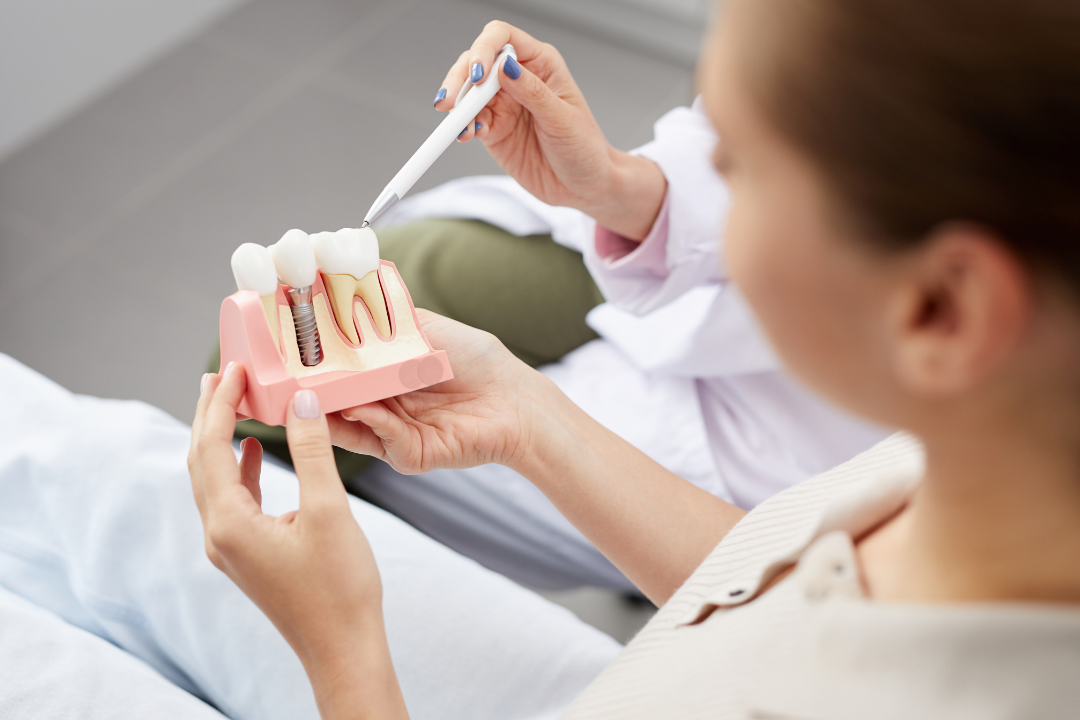
The single most useful thing in aesthetic dentistry costs almost nothing, takes fifteen minutes, and is reversible. A surprising number of treatment plans skip it.
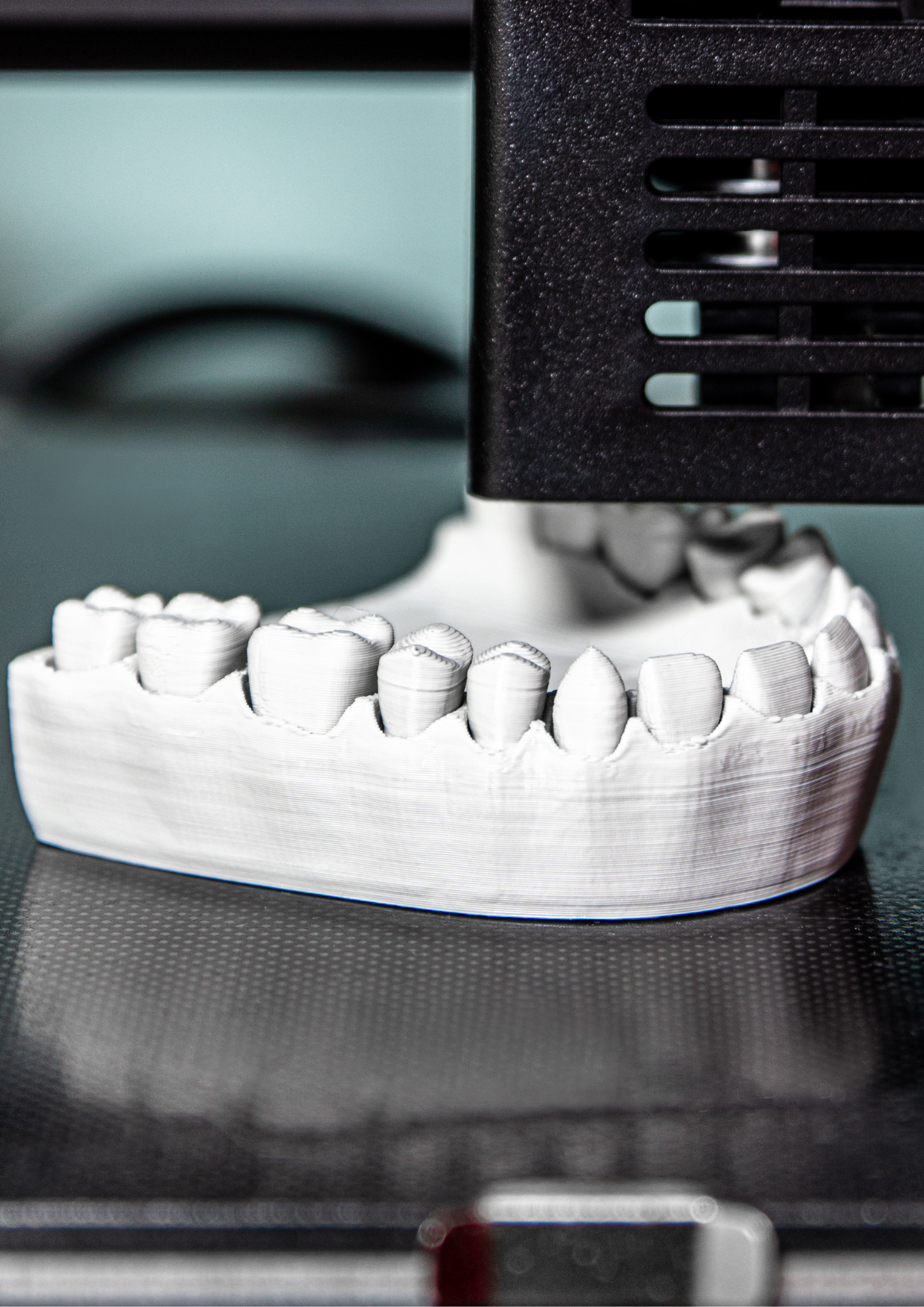
The surgical guide is a small printed appliance that rarely features in patient conversations, and it is one of the more consequential objects in an implant case.
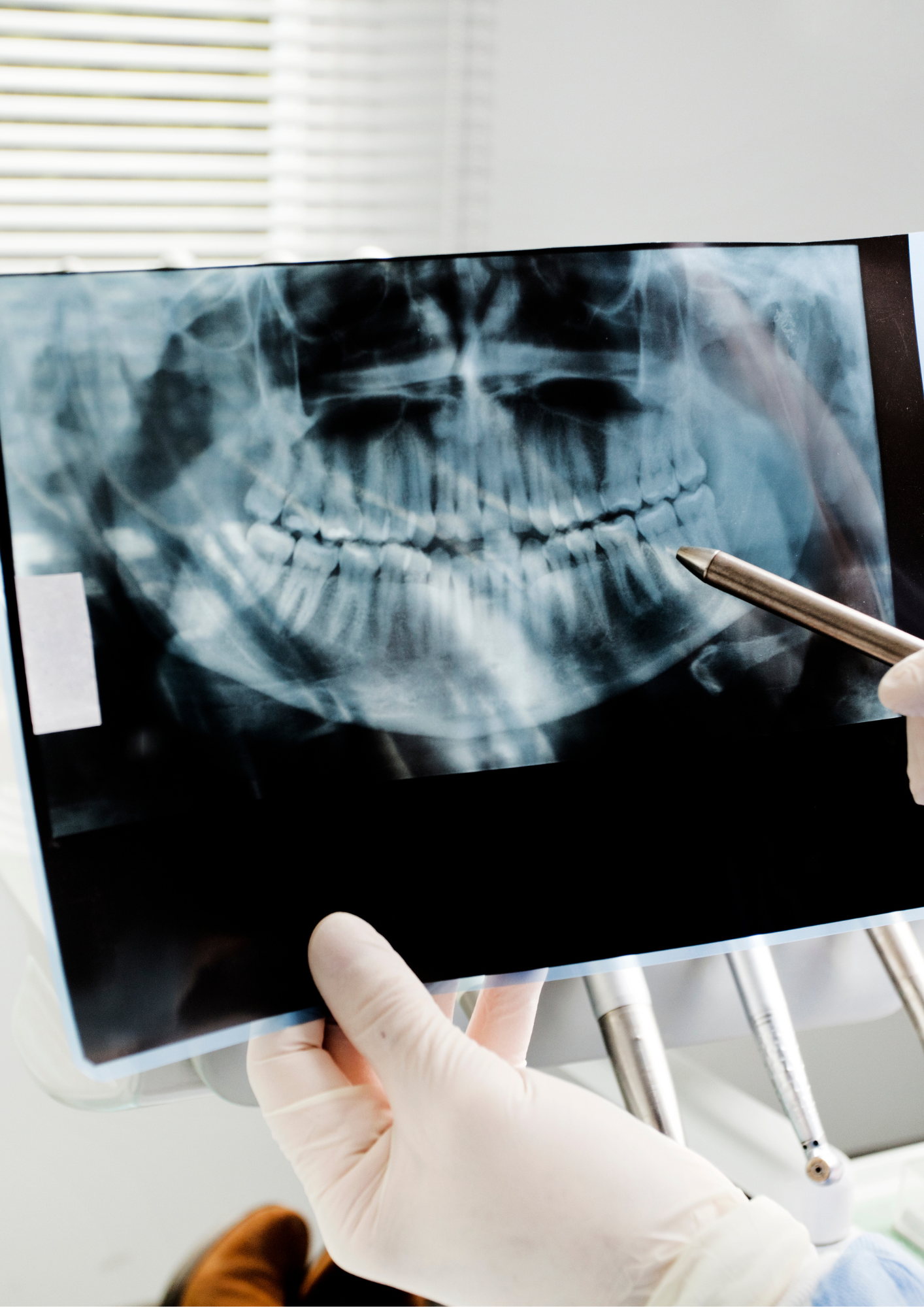
For a patient several thousand miles away, planning begins with what arrives in the inbox. Here is what actually happens to the files you send.
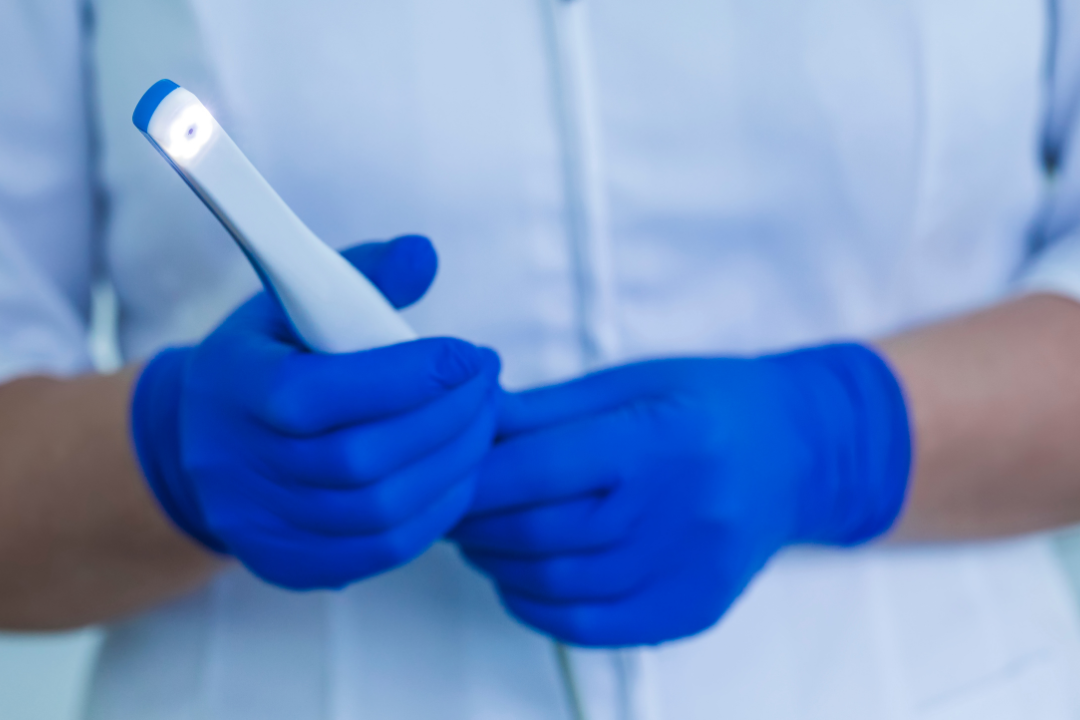
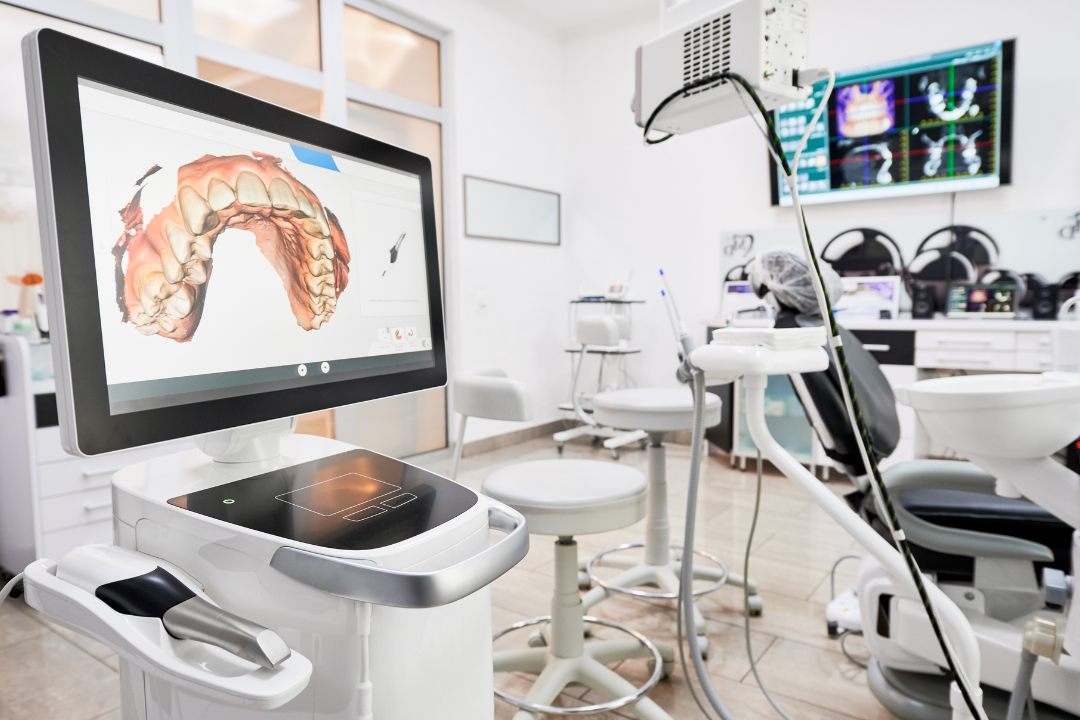
The tray full of cold putty is the thing patients remember most vividly and dislike most consistently. It has been unnecessary for years.
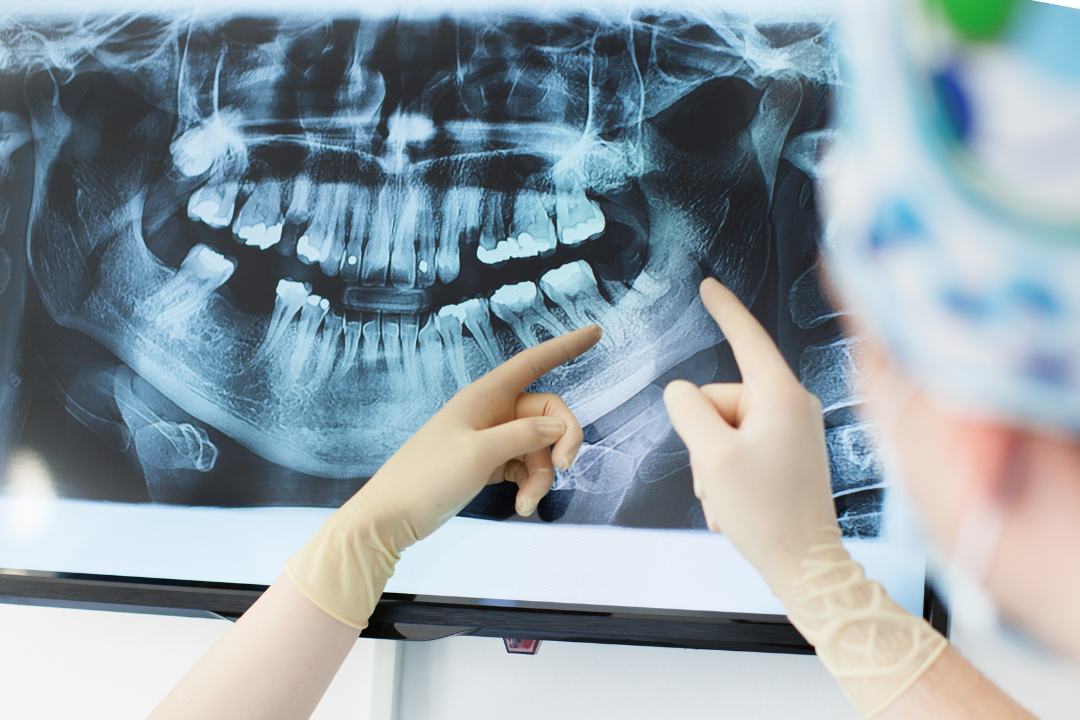
A normal dental x-ray is a flat picture of a three-dimensional problem. A CBCT is the difference between guessing and measuring, and it changes what can honestly be promised.