The scheduling of treatment around professional obligations is a routine consideration for patients travelling for care, and certain stages permit flexibility while others do not.
Stages that permit flexible scheduling
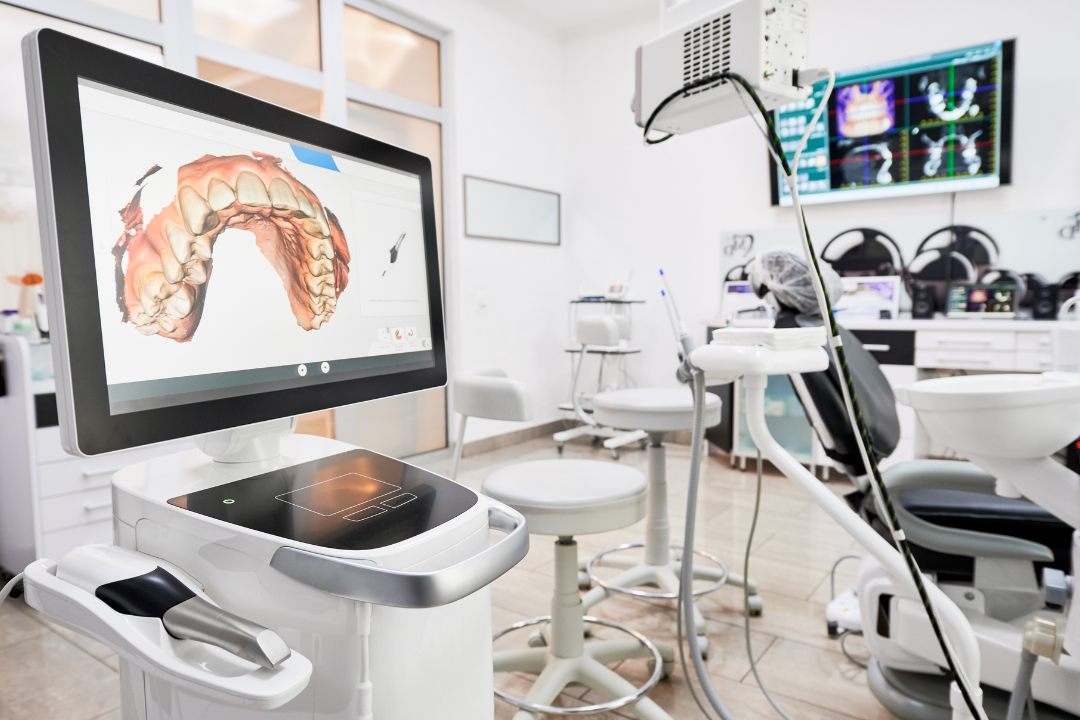
Initial assessment, digital design review, impressions or scanning for definitive restorations, and try-in appointments can generally be arranged with some latitude within the treatment window.
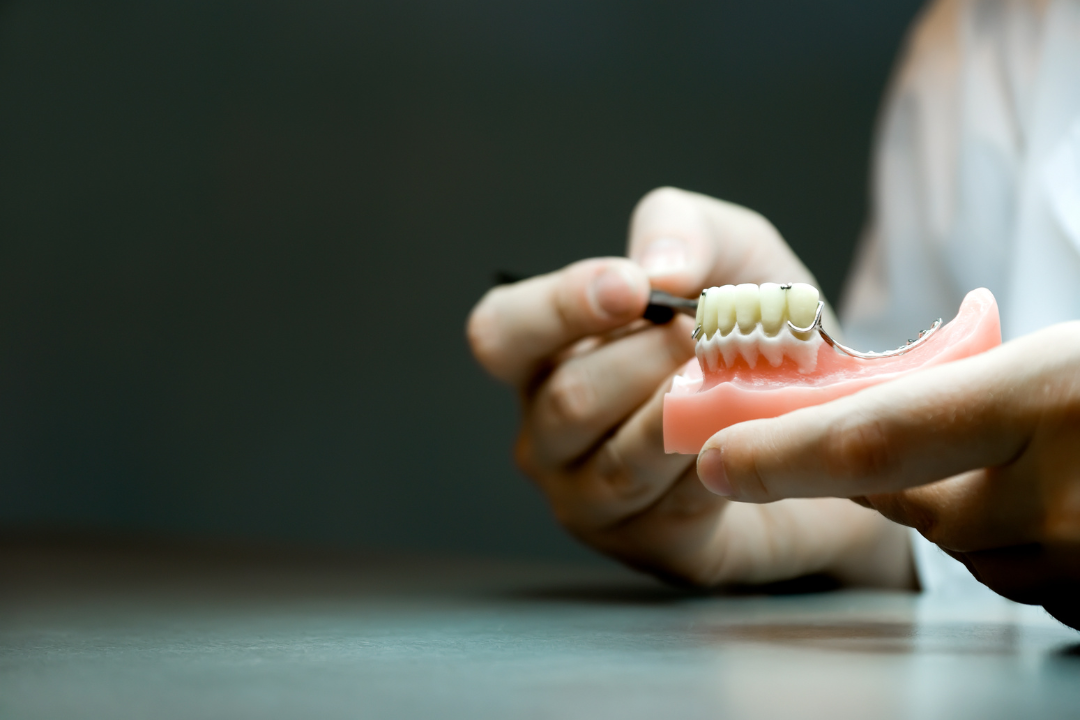
Where the definitive prosthesis requires laboratory time, the intervening days are frequently available and can accommodate remote work if reliable connectivity is arranged.
Stages that do not
The surgical appointment and the immediate postoperative review are fixed relative to one another. Cementation of definitive restorations follows laboratory completion and cannot be brought forward.
The interval between implant placement and definitive restoration is biological and is not subject to negotiation.
Realistic expectations regarding capacity to work
Patients frequently plan to work remotely throughout and find the first forty-eight hours following surgery unproductive. Planning on that basis avoids commitments that must subsequently be broken.
Days involving extended appointments are similarly demanding, particularly during preparation and try-in stages.
Structuring the window
Where absence must be minimised, the preferable approach is a longer single window with a defined return, rather than multiple short visits. Repeated travel increases both cost and the number of interfaces at which scheduling can fail.
The clinical sequence should be established first and professional commitments arranged around it. Determining the sequence from the available window is the inversion that most frequently compromises treatment.
To determine whether this procedure is indicated in your particular case, we invite you to request a clinical assessment.