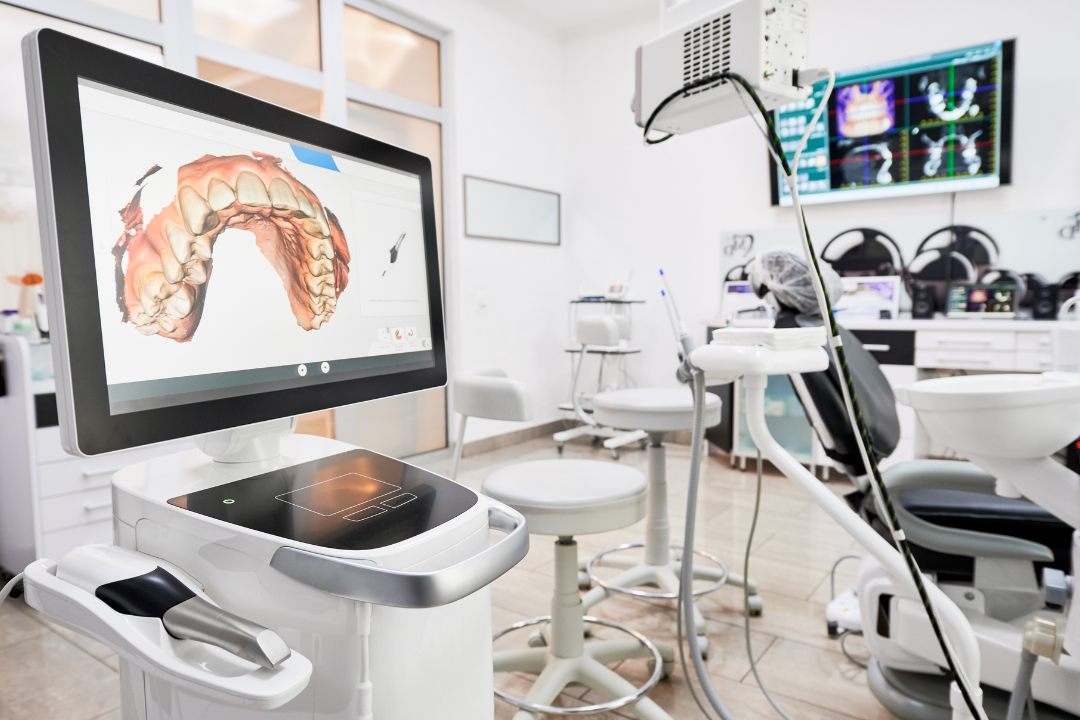
Digital smile design is often presented as a visualisation tool. For patients treating abroad its real value is different: it moves the decisions to before the flight.
The problem it solves
In conventional treatment, design decisions happen in the chair over several appointments. A patient with seven days does not have several appointments to spare on deliberation.
Doing that work remotely, over weeks, means arriving with the design already agreed and the clinical time spent on execution.
How the remote phase works
You send photographs and a short video of speaking and smiling. We produce a design proposal against your facial references, and we review it together on a call.
You change what you want changed. That iteration happens over days or weeks at no cost and with no time pressure, which is exactly the opposite of deciding in a chair with an appointment running over.
What still happens on arrival
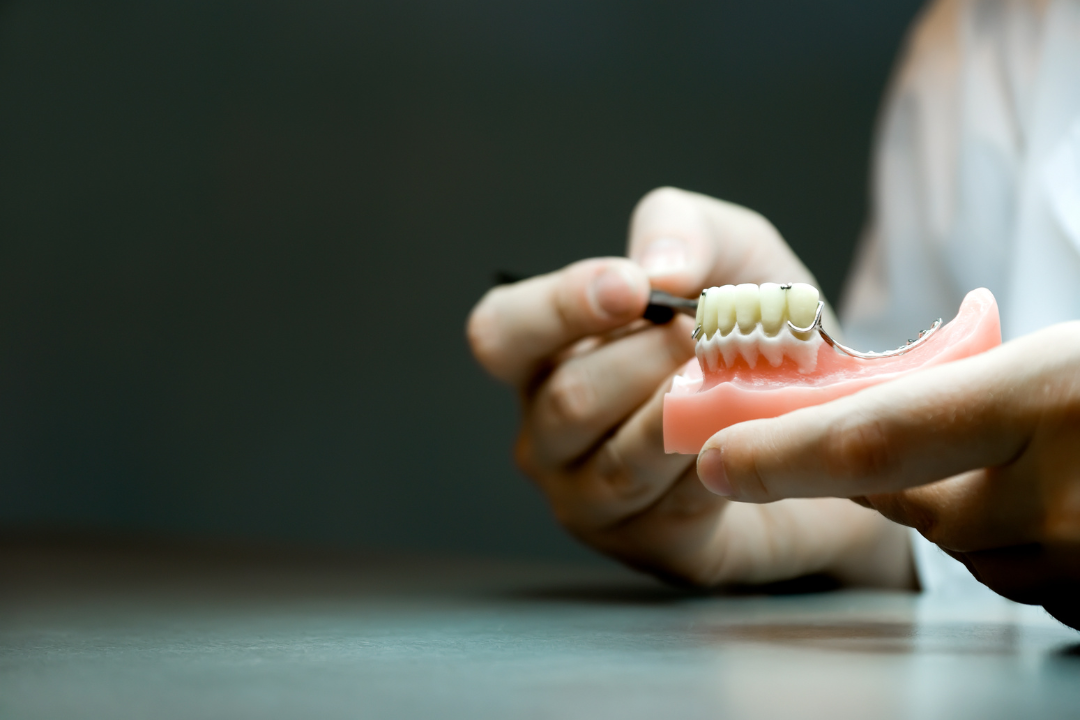
Verification of the design against clinical reality: the actual bite, the actual tissue, the actual space available. Then the try-in in your mouth, which is the decision point that matters.
Occasionally clinical findings require revising the design. Because the reasoning is already shared, that conversation is much shorter than it would otherwise be.
The honest limitation
A design produced from photographs alone cannot account for occlusion, tooth mobility or periodontal condition. It is a proposal to be validated, not a plan to be executed unchanged.
Anyone issuing a definitive treatment plan and a fixed price from photographs has skipped the validation.
Used properly, remote design converts the first two days of a treatment trip into work done in advance. That is where the time saving genuinely comes from.
If you want to know how this would apply to your smile, book a remote consultation with us.