The tray full of cold putty is the thing patients remember most vividly and dislike most consistently. It has been unnecessary for years.
What replaces it
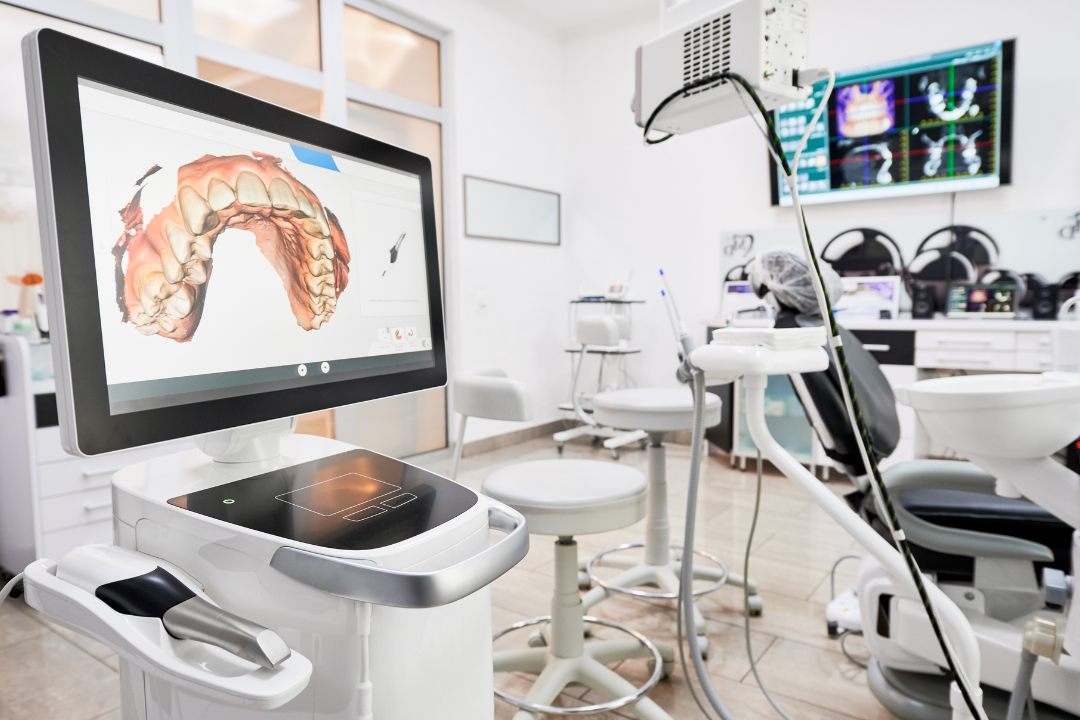
A camera roughly the size of a thick pen passes over your teeth, building a three-dimensional model on screen as it goes. Two or three minutes, and you can watch it happen.
No taste, no gagging, no sitting rigid waiting for material to set. If a section does not capture cleanly we rescan that section in seconds rather than starting over.
Why it produces better work, not just a nicer appointment
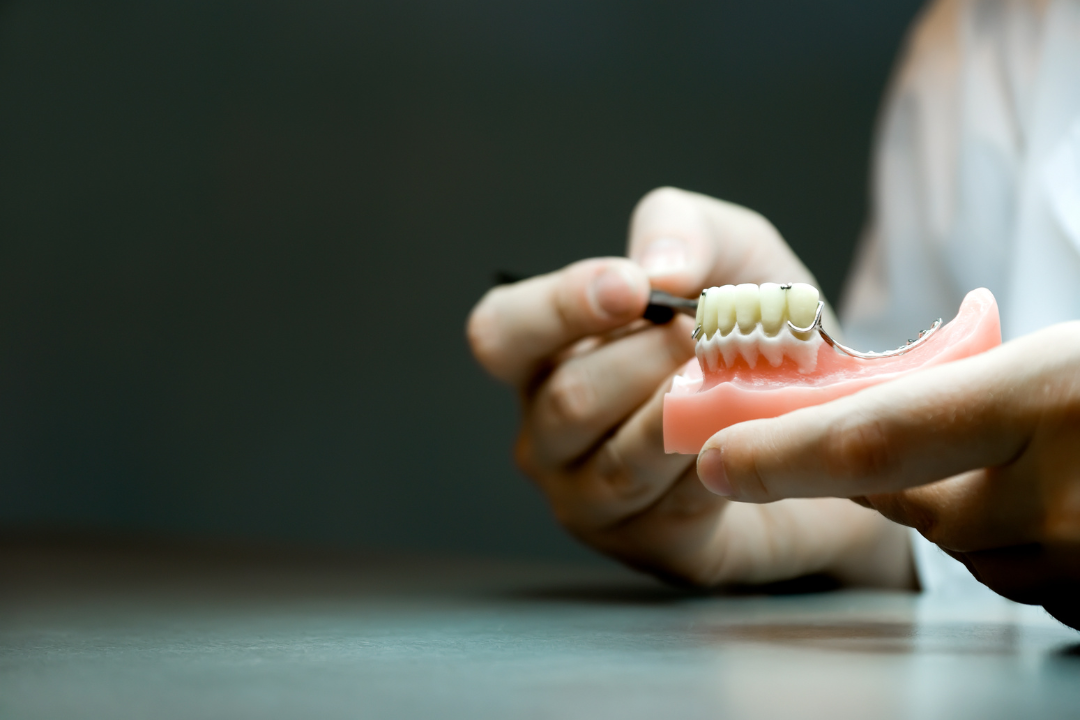
Physical impression material distorts. It distorts on removal, in transit, and again when poured into stone. Each step adds a small error, and those errors accumulate into a restoration that needs adjusting.
A digital file does not distort. What the laboratory receives is exactly what was in your mouth.
What it enables beyond the impression
The same scan drives the smile design, the virtual articulator, the surgical guide and the milling. One capture, many uses, and no repeated appointments to gather the same information twice.
It also means we can send you the file. Your anatomy becomes portable in a way a plaster model never was.
Where impressions still occasionally appear
Certain full-arch and deep subgingival situations still challenge scanners, and honest practices still use conventional impressions in those specific cases.
Anyone claiming digital works better in every single situation is overstating it.
For the overwhelming majority of treatment, scanning is more comfortable and more accurate at the same time. That combination is rarer than it sounds.
If you want to know how this would apply to your smile, book a remote consultation with us.