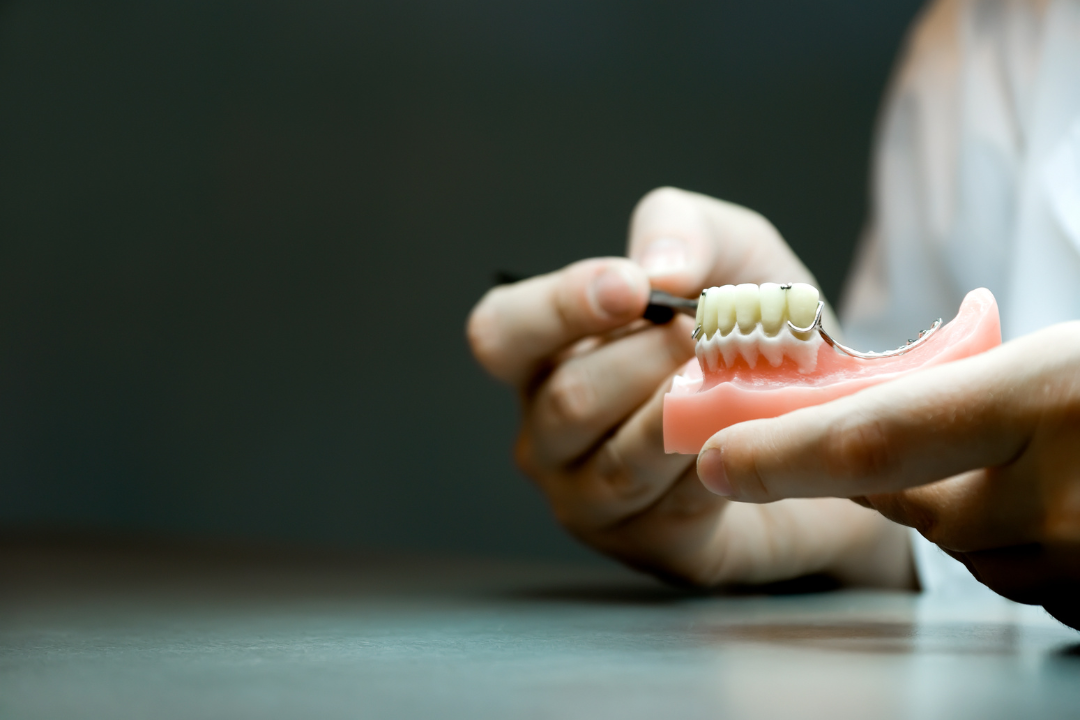
Minimally invasive is used loosely enough to have lost meaning. Here is what actually makes a veneer conservative, and why digital planning is what makes it achievable.
Why preparation depth matters so much
Enamel does not regenerate. It is also a far better bonding substrate than dentine, and a veneer bonded entirely to enamel has a substantially better long-term prognosis than one bonded largely to dentine.
So the argument for minimal preparation is not aesthetic restraint. It is adhesion, and therefore longevity.
How it was done before, and why it drifted
Freehand preparation to an imagined final shape. Without a reference for where the finished surface will be, the safe instinct is to remove more, and cumulatively that is how conservative intentions became half-millimetre preparations.
The preparation was being made to create room for a design that did not yet exist.
What changes with a design-first workflow
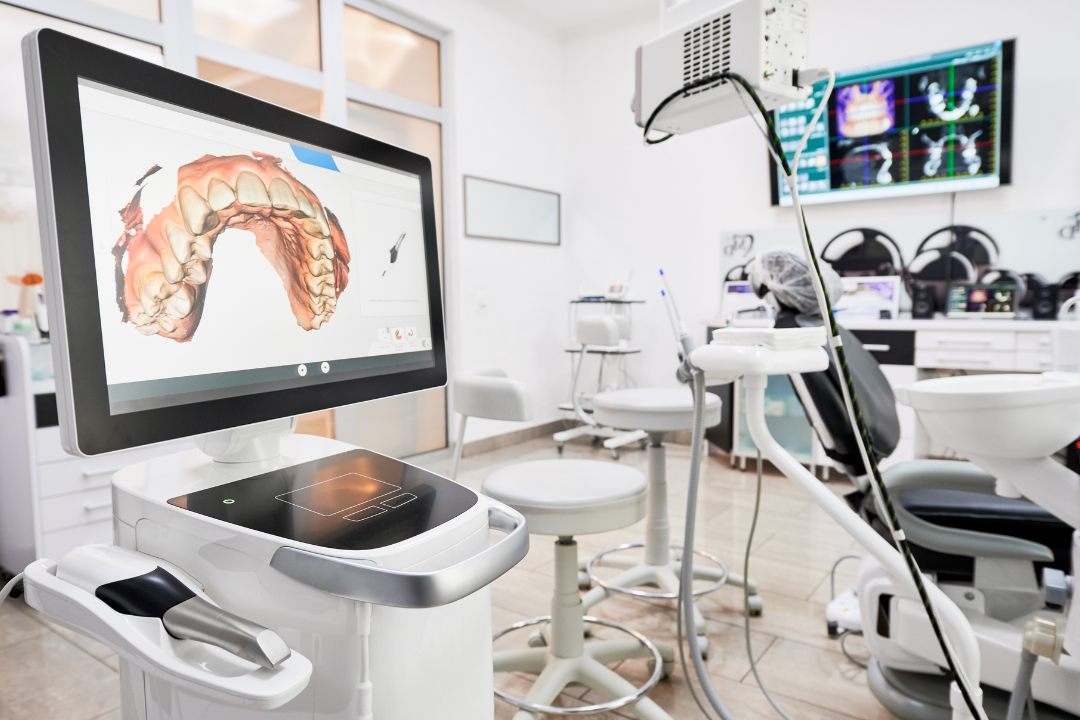
The final shape is designed and validated in your mouth before anything is touched. Preparation then happens through the approved mock-up, with calibrated depth grooves cutting through resin first and into tooth only where genuinely required.
Where the design adds volume, no reduction is needed at all. In favourable cases the preparation is nothing more than surface conditioning.
Realistic numbers
Two to three tenths of a millimetre across much of the surface is achievable in well-selected cases, entirely within enamel. Some teeth need no preparation whatsoever.
Dark substrates, prominent teeth and existing large restorations all legitimately require more, and honesty about which case you are is part of the plan.
Ask how much enamel will be removed and how that will be controlled. Depth grooves through an approved mock-up is a specific answer; we are very conservative is not.
To determine whether this procedure is indicated in your particular case, we invite you to request a clinical assessment.