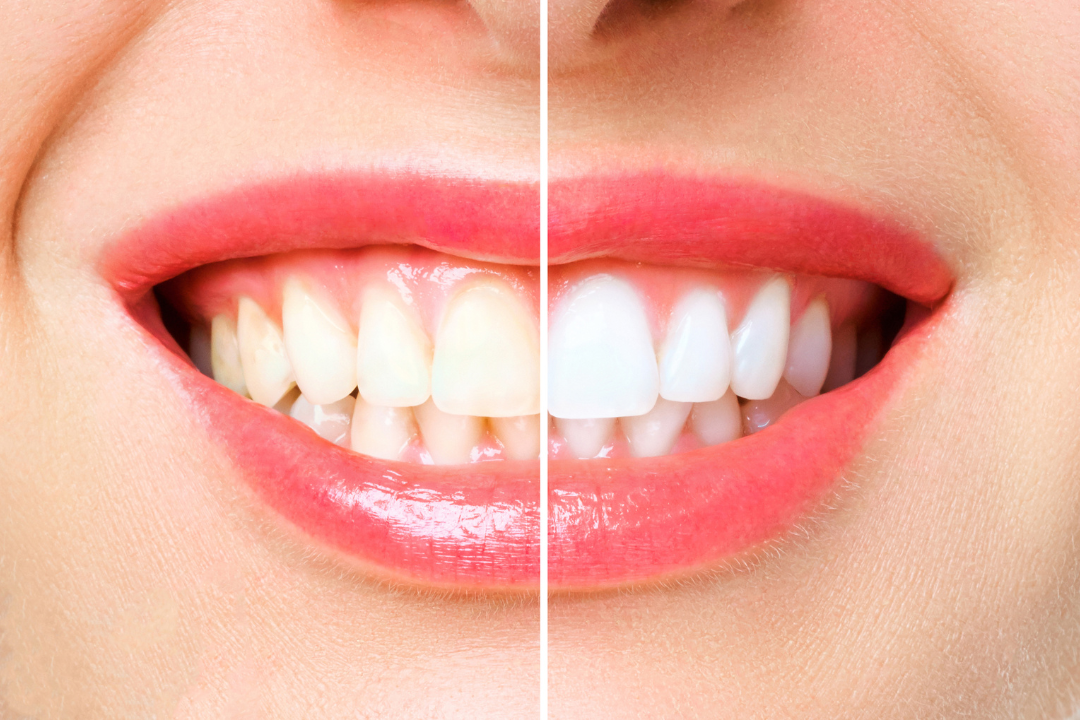
Yellowing That Whitening No Longer Fixes
If whitening used to work on your teeth and has stopped, that is not a failure of the product and buying a stronger one will not fix it. The colour has moved somewhere whitening cannot reach.

If whitening used to work on your teeth and has stopped, that is not a failure of the product and buying a stronger one will not fix it. The colour has moved somewhere whitening cannot reach.
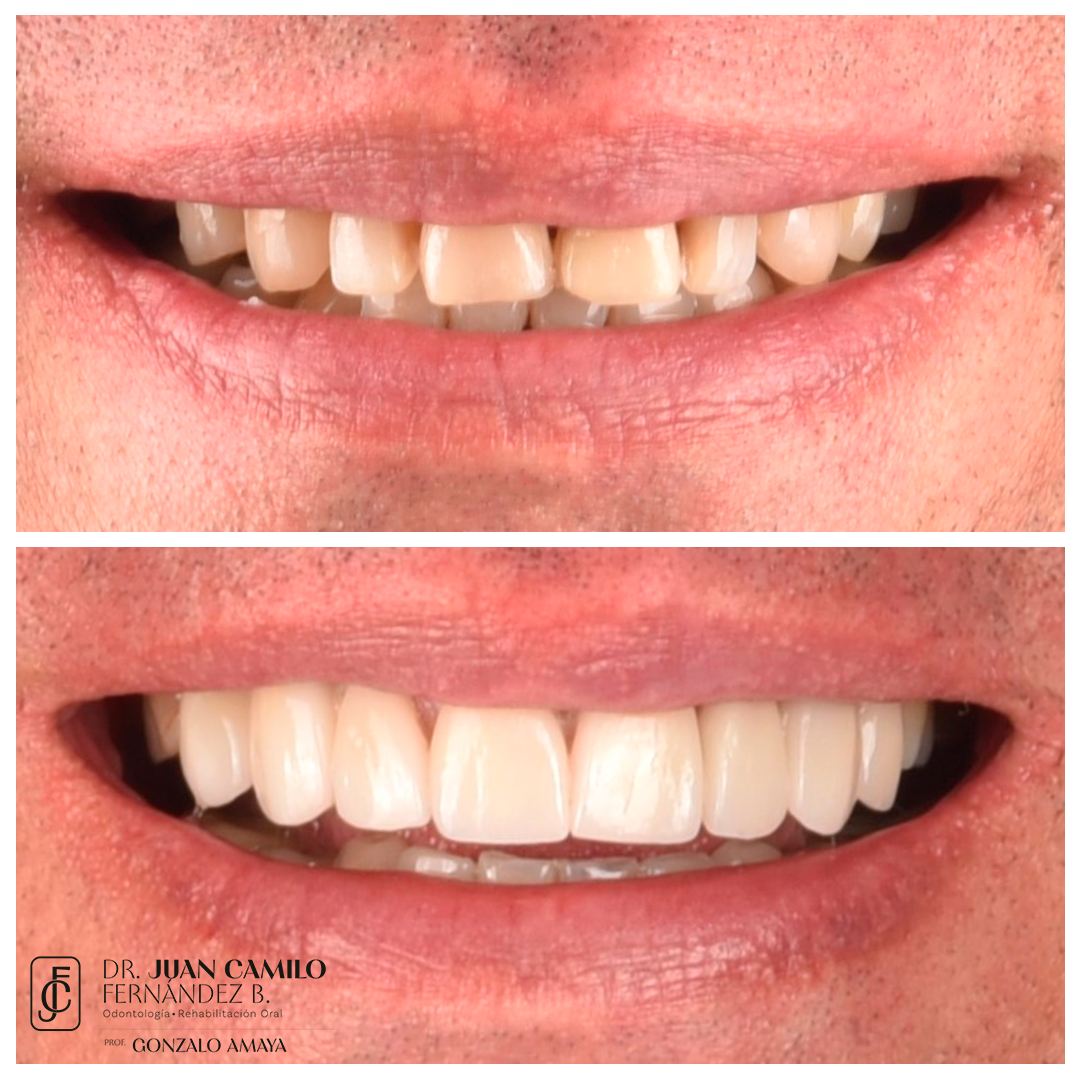
Smiles age in specific and identifiable ways, and understanding which of them are actually driving the impression of age is more useful than a general request to look younger.
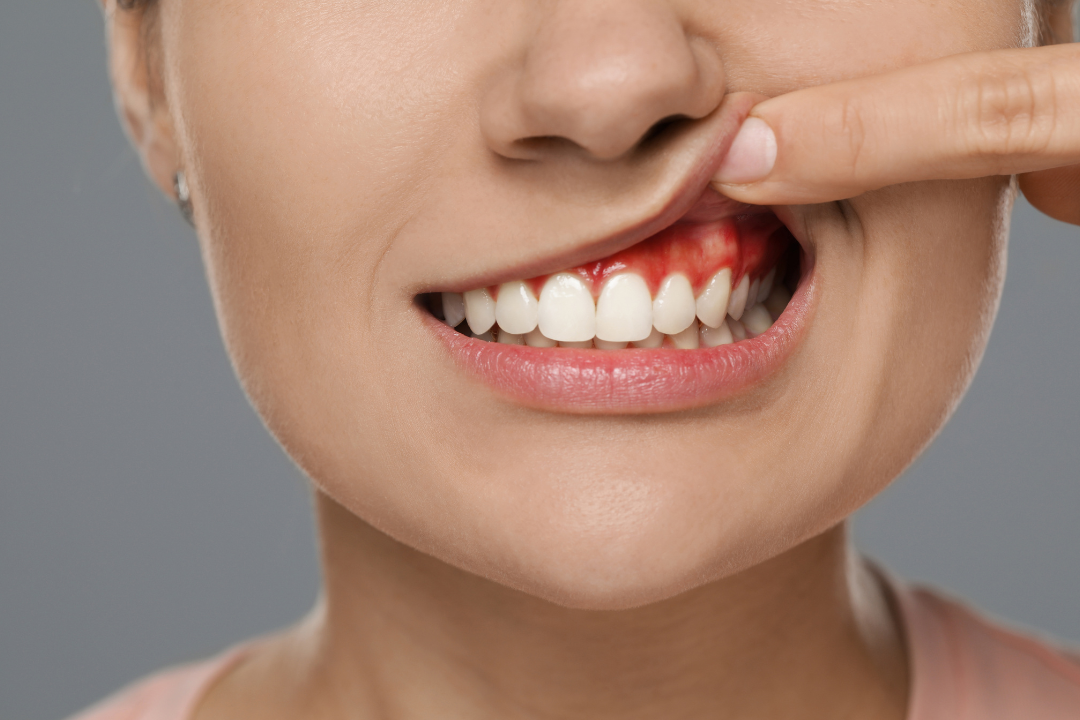
Treating gum disease before aesthetic work is not a delay tactic and it is not an upsell. It is the difference between a result that holds and one that visibly deteriorates within two years.
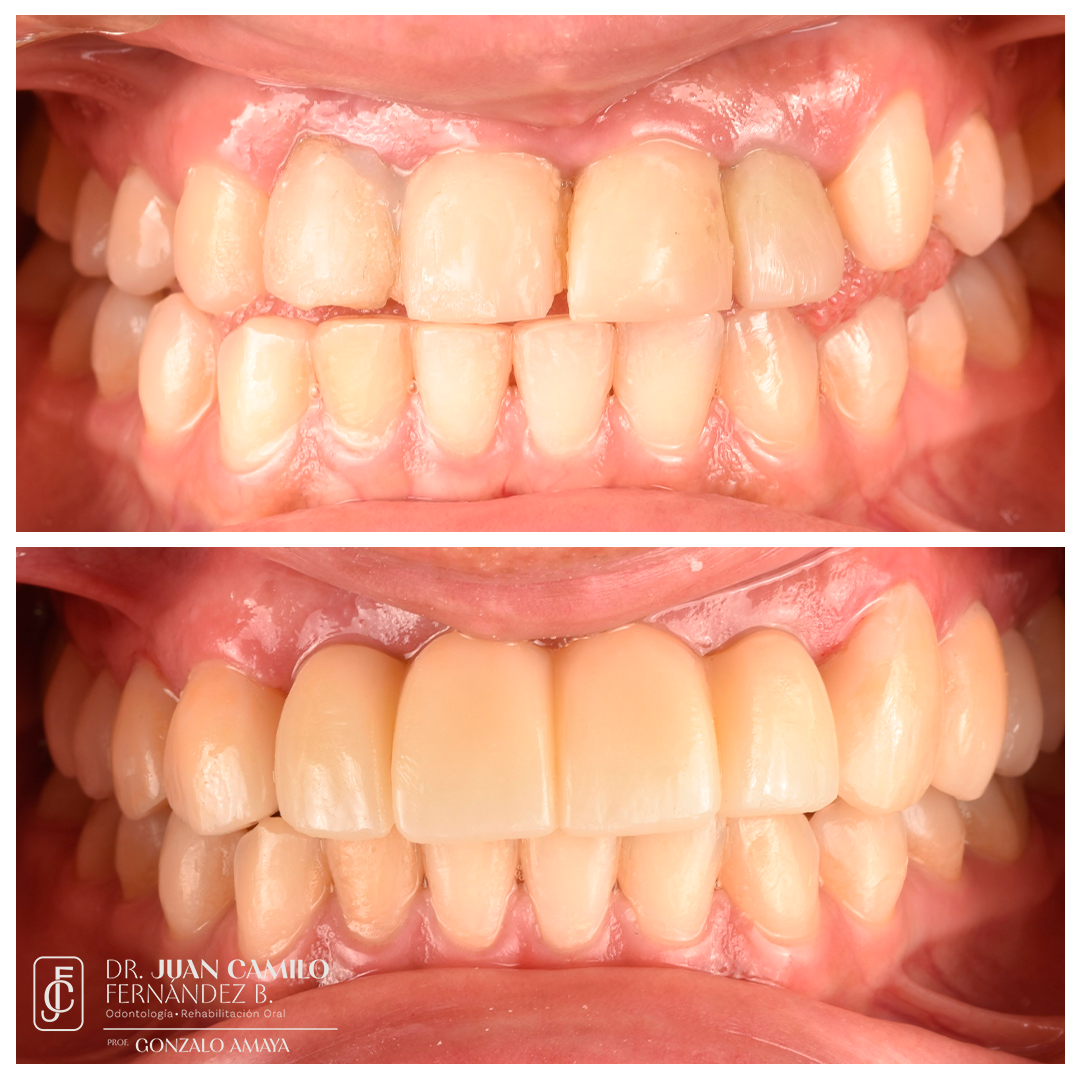
Someone considering implants at sixty is really asking whether this will last the rest of their life. The honest answer involves separating two different things.

Smoking is the single largest modifiable risk factor in implant treatment, and the numbers are stark enough that it is worth stating them plainly rather than gently.
Reduced salivary flow is common in patients taking multiple medications and has consequences for both caries risk and the performance of restorative treatment.
Cracked teeth cluster in the fifth and sixth decades, and there is a straightforward reason for that timing which is worth understanding.
A root canal that has failed does not automatically mean losing the tooth. There are usually three options, and extraction is only one of them.
If your lower denture moves when you eat, you are not doing anything wrong and a better-made denture is usually not the answer. The anatomy is simply against you.
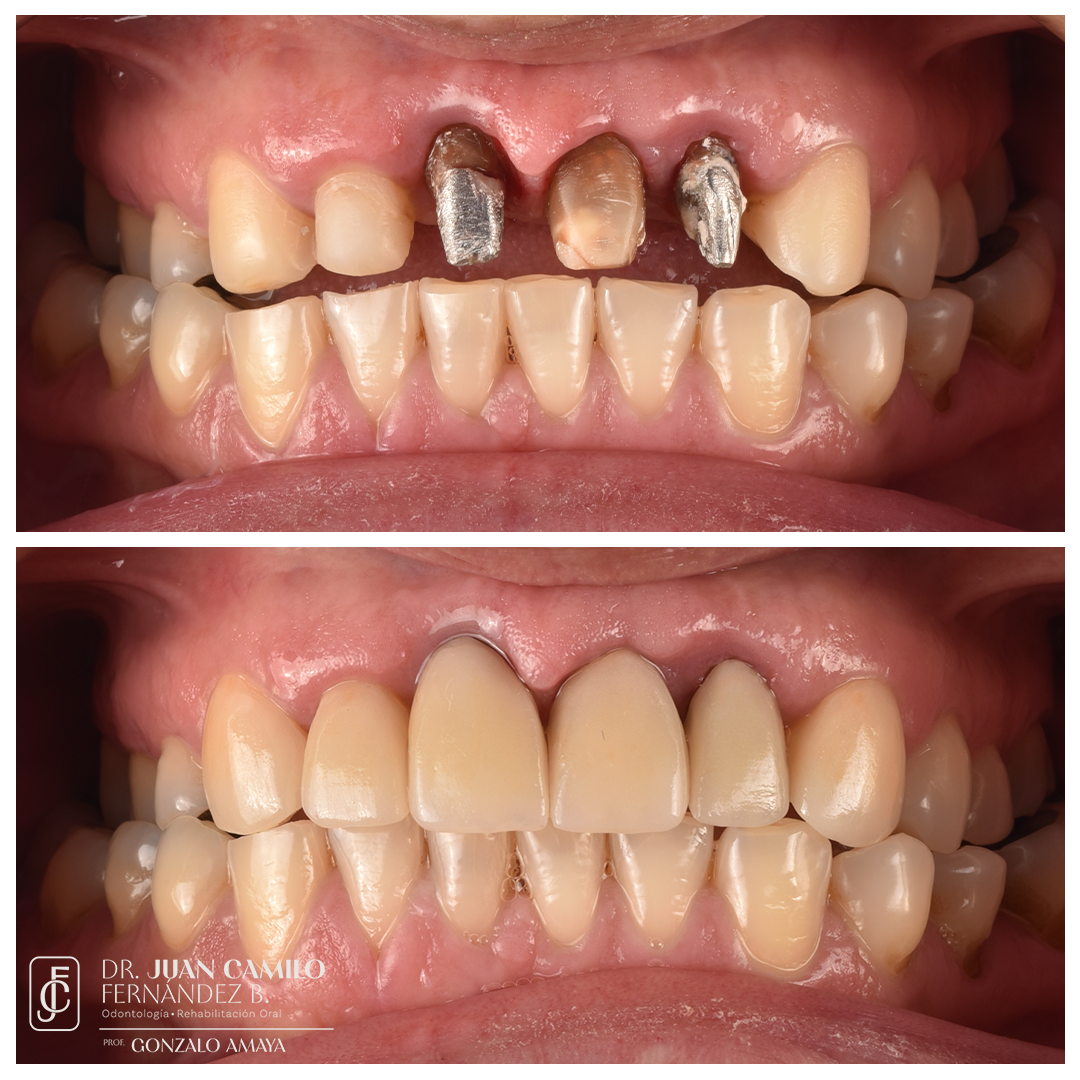
The dark line appearing at the gum margin around older crowns is among the most frequent aesthetic complaints in patients over fifty, and its cause determines whether it can be resolved.
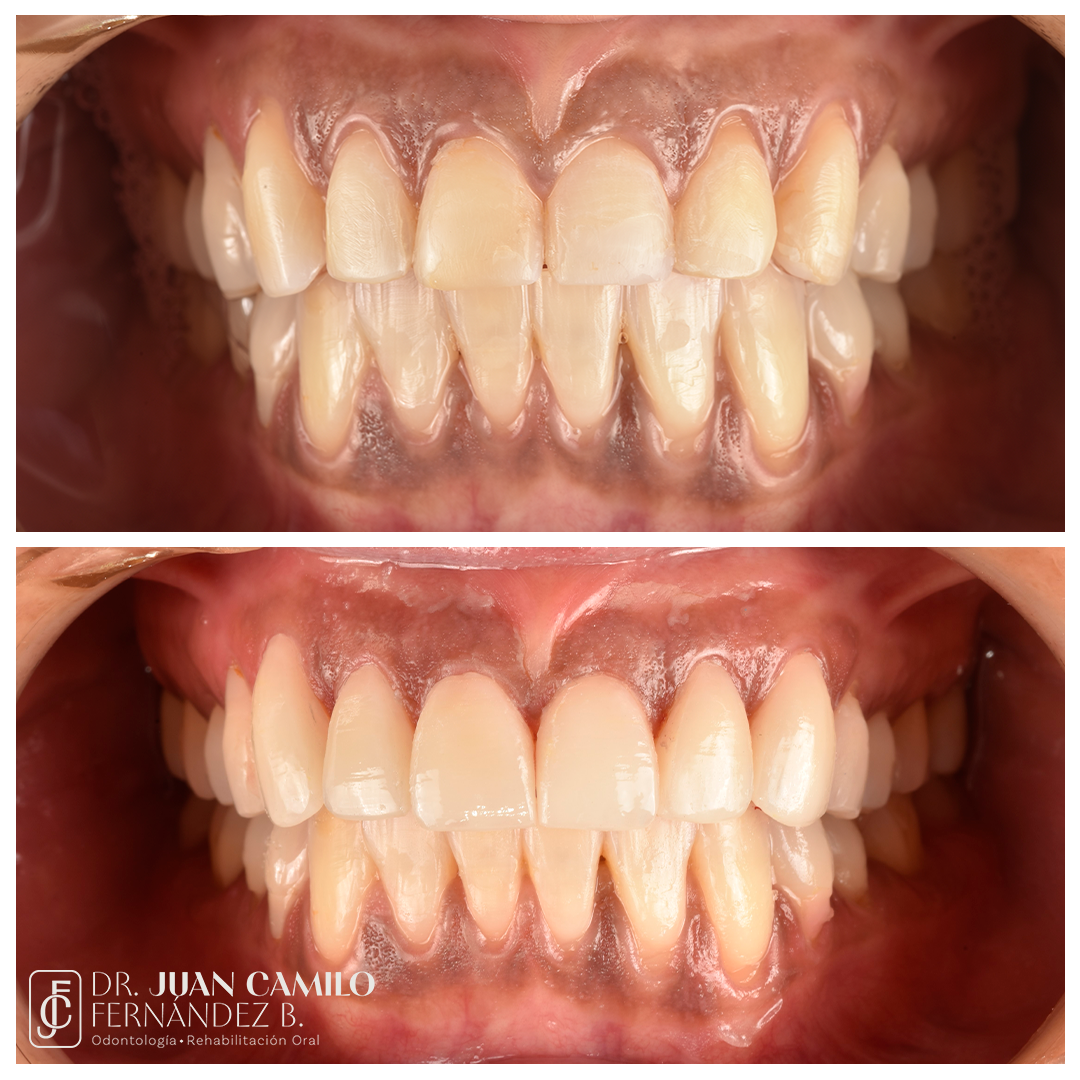
Patients frequently enquire whether existing amalgam restorations should be replaced. The evidence supports a specific answer that differs from both common assumptions.
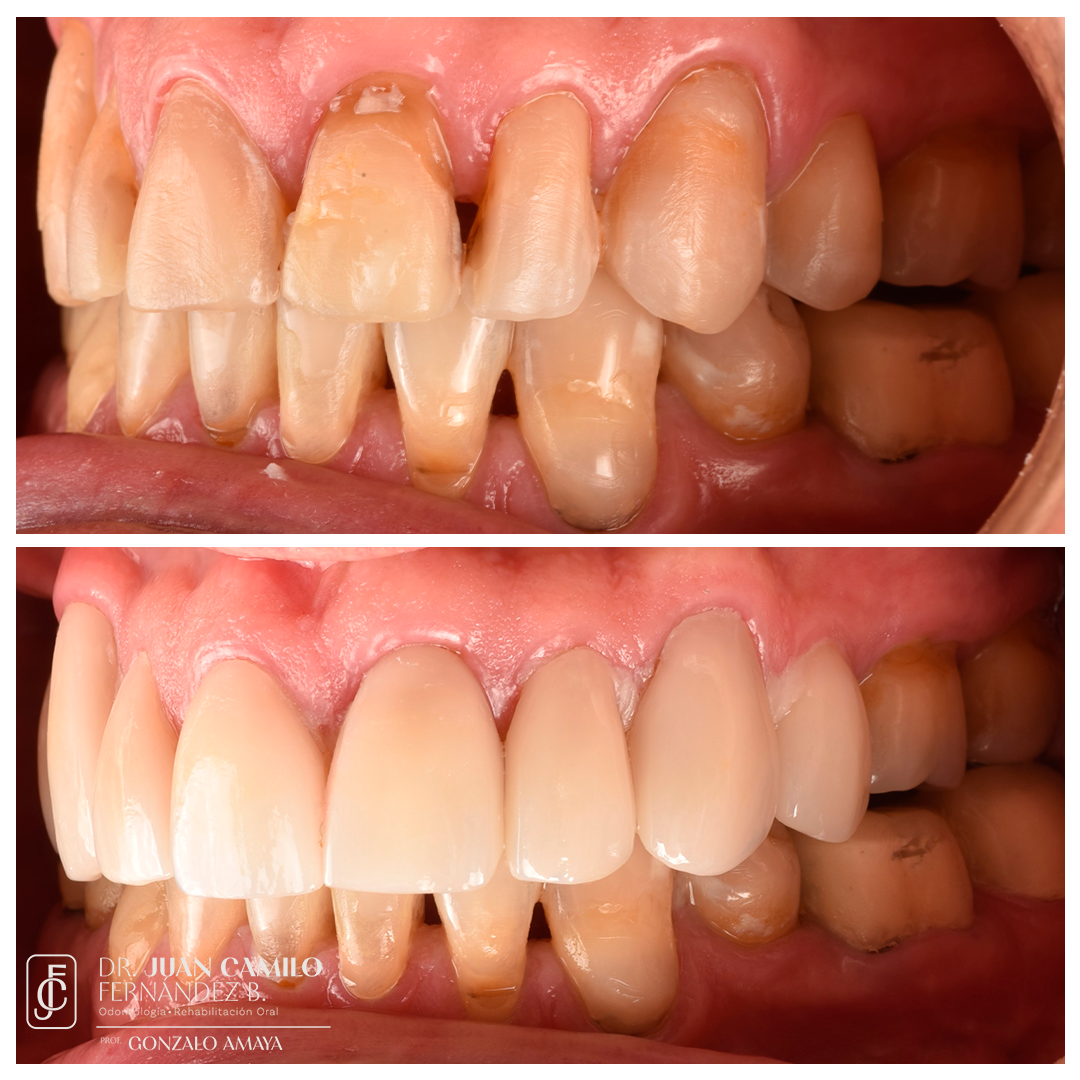
Teeth worn down over decades of grinding present a specific problem: there is less tooth than there was, and the instinct to grind more away to make room is precisely the wrong move.
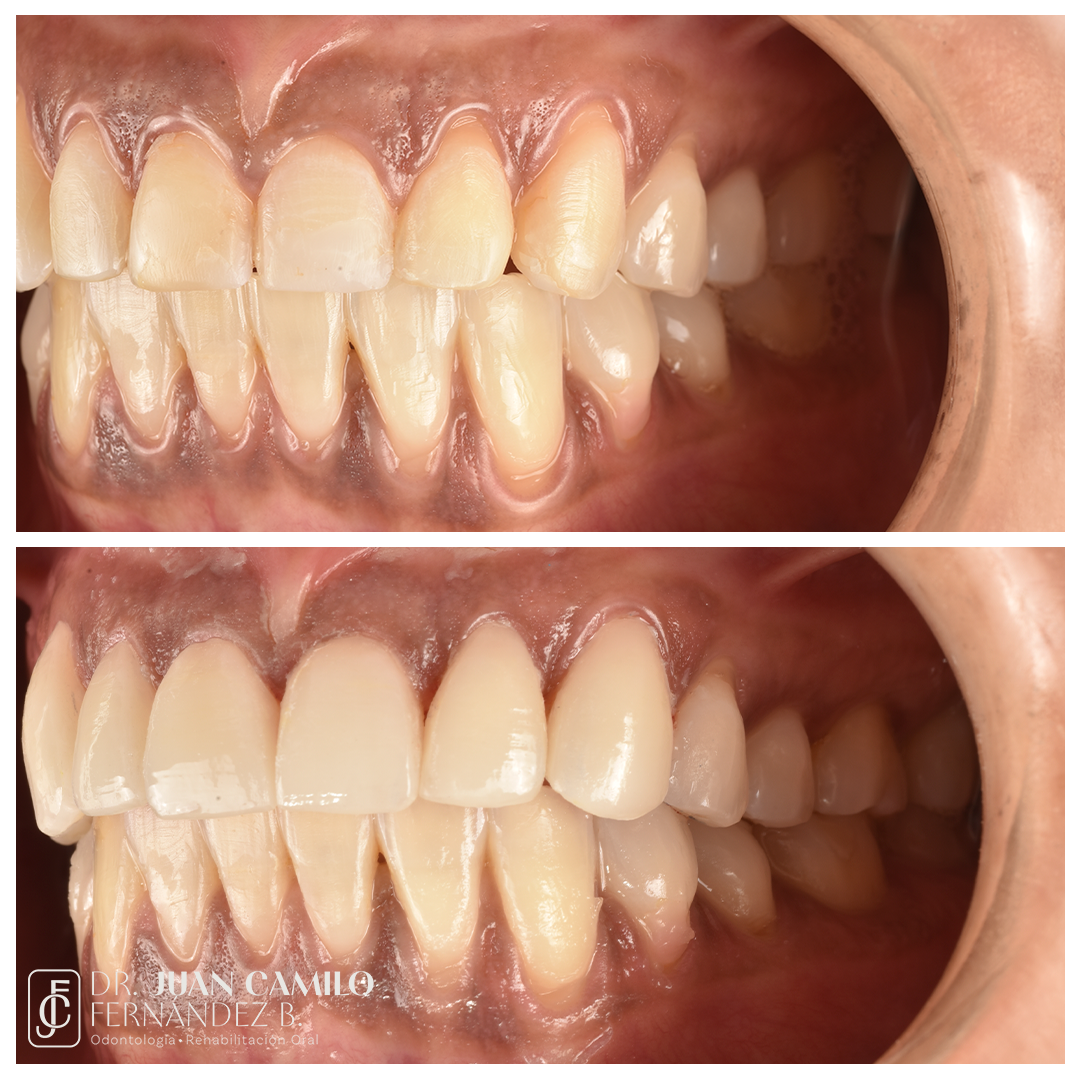
Full-mouth reconstruction is a term used loosely and sometimes to describe treatment that is not necessary. It is worth being clear about who genuinely needs it.
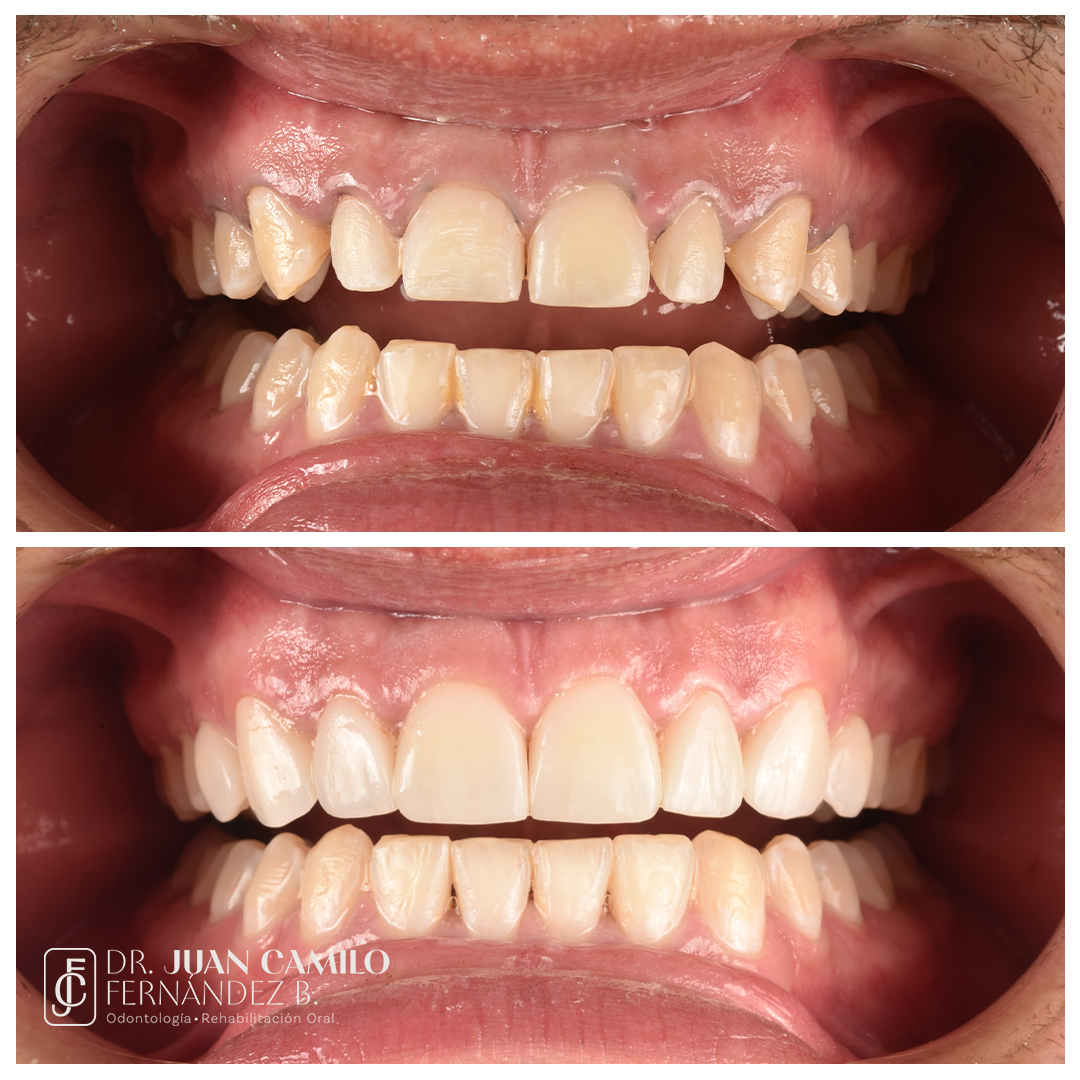
Receding gums do not rule out veneers, but they change the sequence considerably, and treating them as a cosmetic obstacle rather than a biological one is how these cases go wrong.
A bridge that has served for twenty years has done its job well. Deciding what replaces it is a more open question than simply making another one.