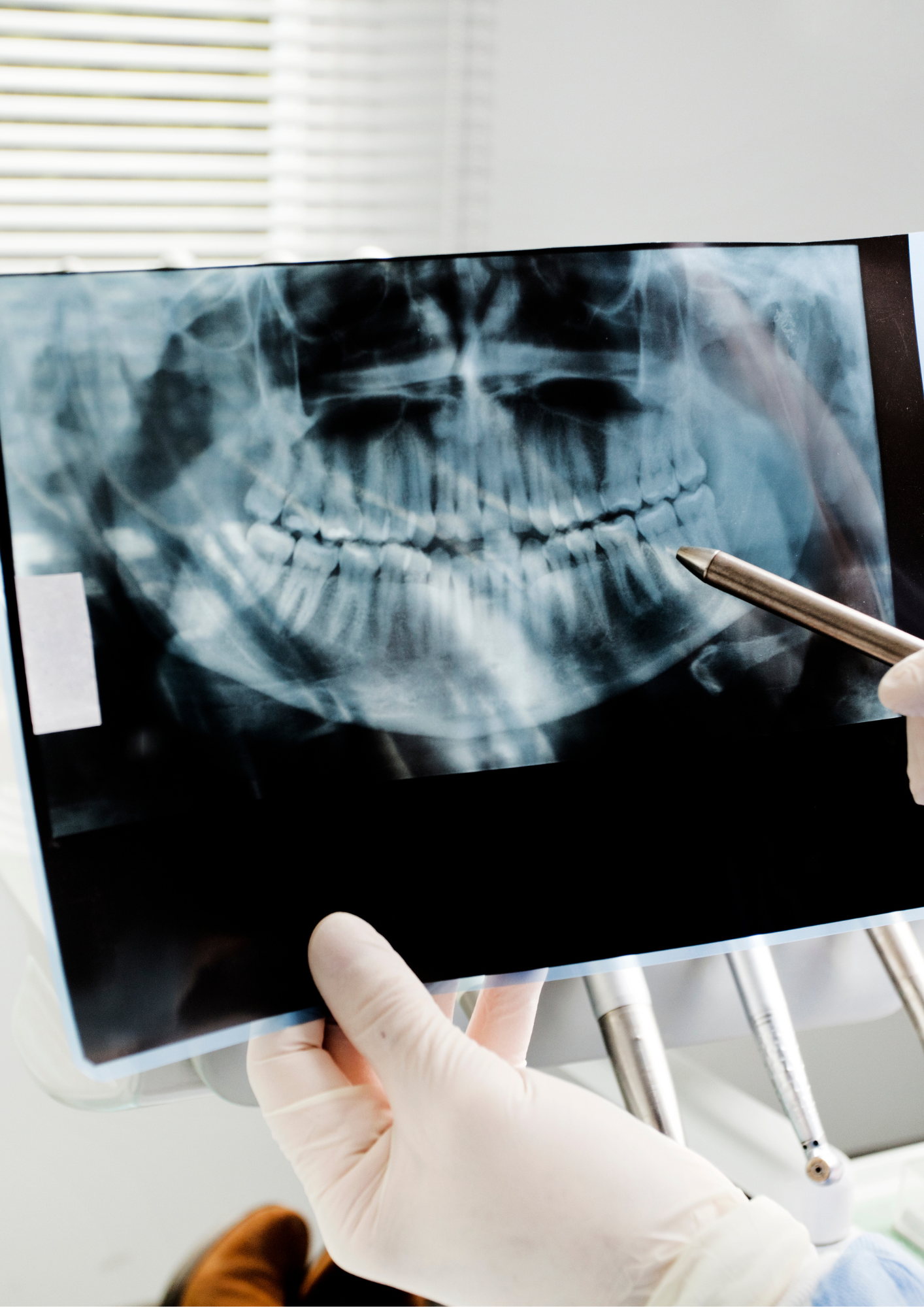
Osteoporosis, Bisphosphonates and Implant Planning
Osteoporosis medication and implant planning intersect in a way that requires specific attention, and the relevant history is one patients frequently do not think to mention.

Osteoporosis medication and implant planning intersect in a way that requires specific attention, and the relevant history is one patients frequently do not think to mention.
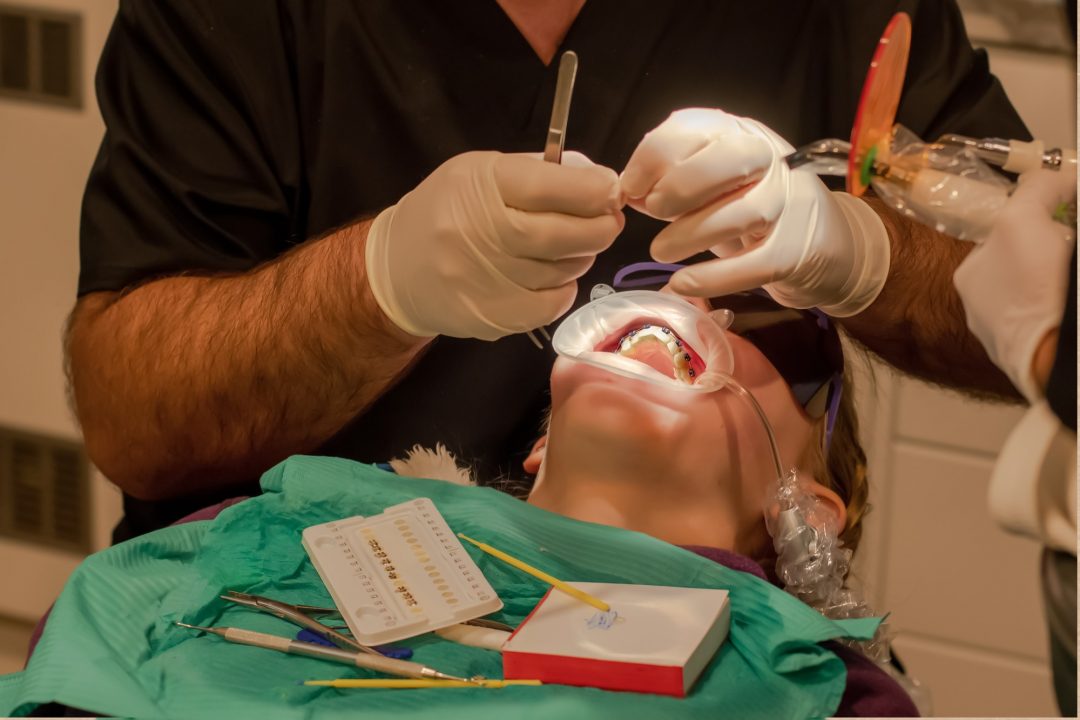
If you take a blood thinner and have been told you must stop it before dental surgery, that advice may well be out of date, and stopping it can be considerably more dangerous than the bleeding it…

Diabetes is frequently regarded by patients as an absolute barrier to implant treatment. The evidence indicates a more precise position: control matters, diagnosis alone does not.
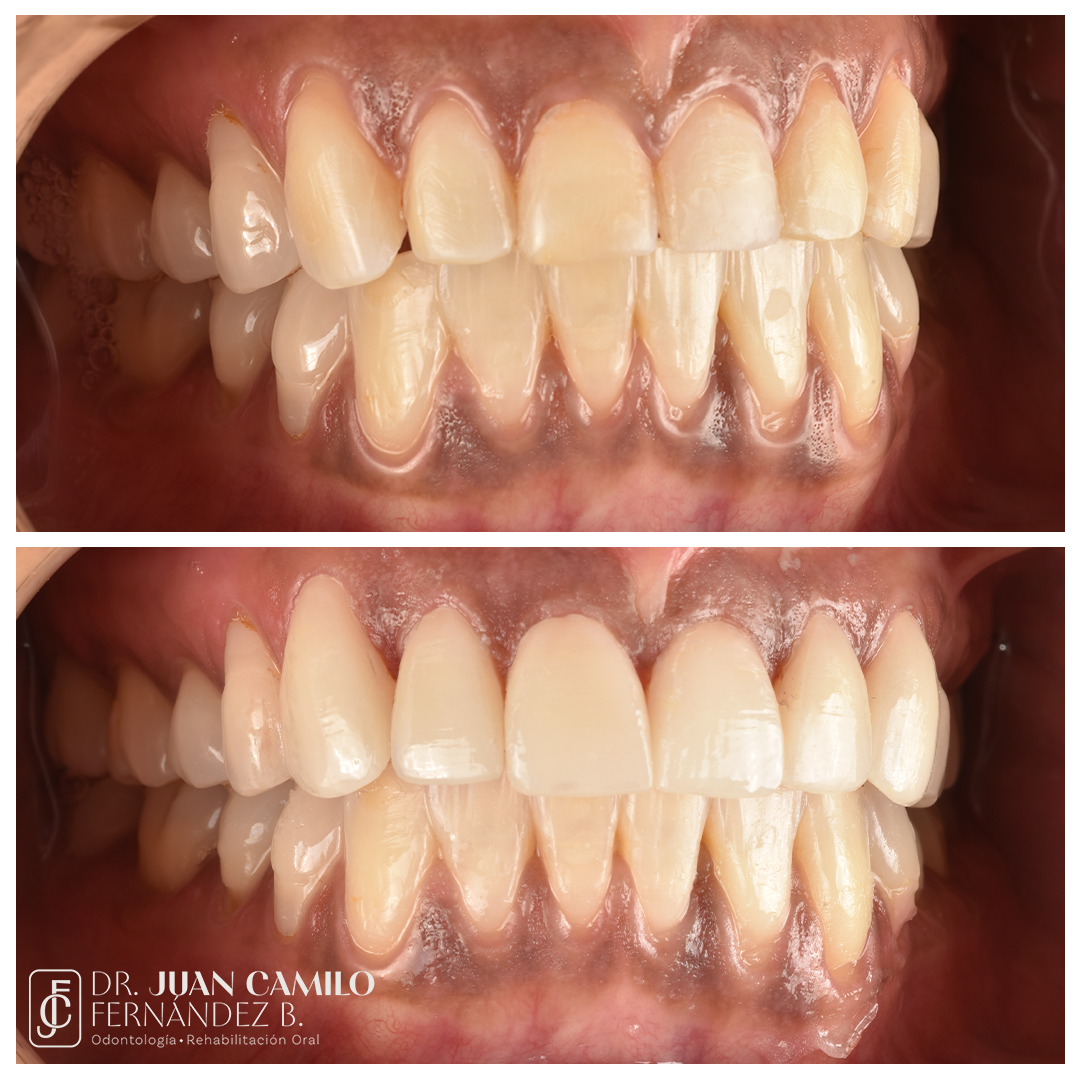
This decision is presented as cheap versus expensive far too often. The more useful framing is what each option does well, because for a significant number of patients dentures remain the right…
Bone grafting appears in a lot of implant plans for patients over fifty, and it is worth understanding why, because it is neither an upsell nor a sign that something has gone wrong.

Turning sixty does not disqualify you from implant treatment. Age itself is very close to irrelevant here, which surprises most people who ask.

Continuity between the treating practice and a practitioner in the patient’s country of residence is the principal determinant of how straightforward long-term care proves to be.

Maintenance following extensive restorative or implant treatment is not a discretionary addition. Its frequency should be determined during planning and stated in the treatment record.
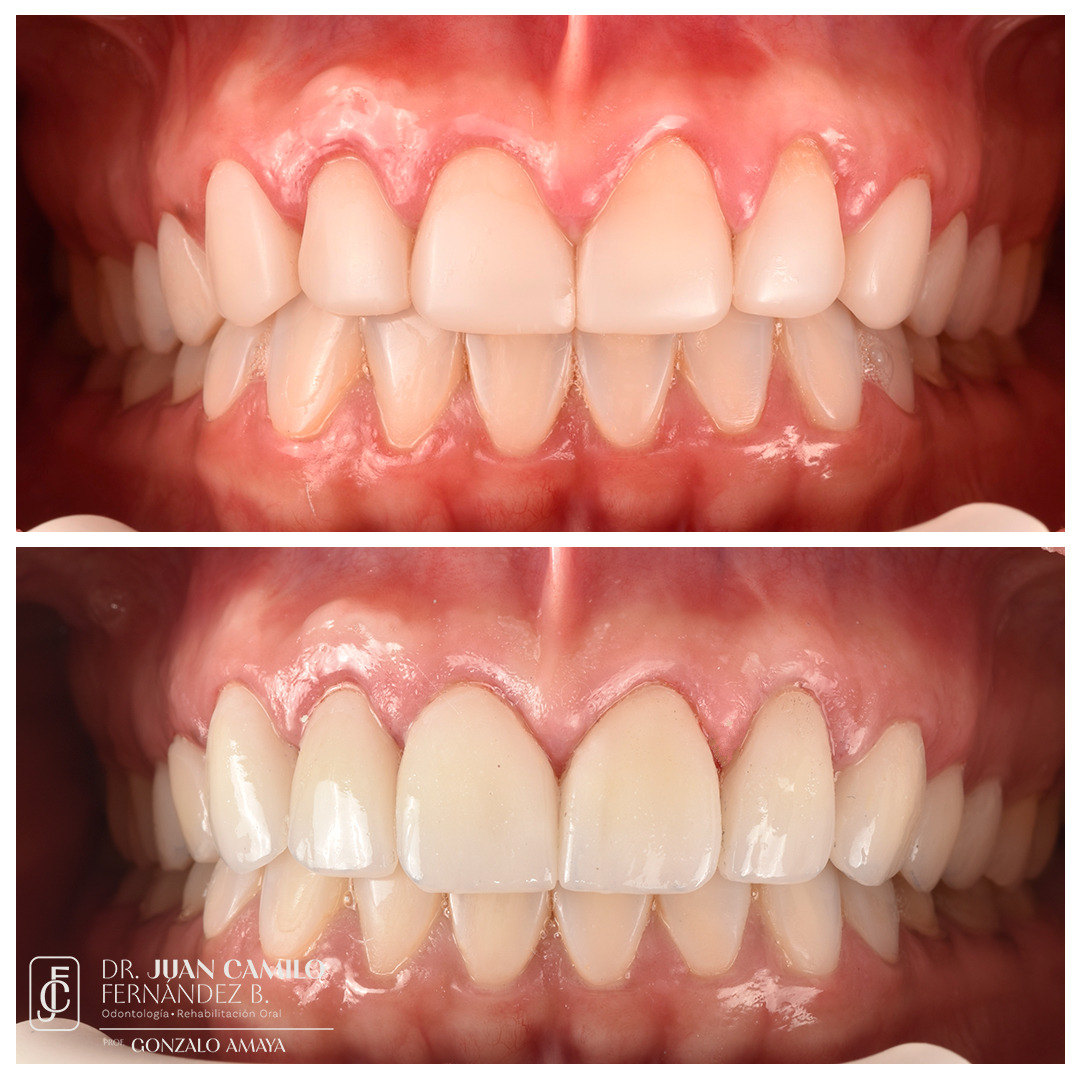
Five days is the shortest window in which meaningful treatment can be completed without compressing anything that should not be compressed. Here is what it actually contains.

Bogota’s weather is one of the more common misconceptions we encounter, and it has genuine practical consequences for a treatment trip.

The scheduling of treatment around professional obligations is a routine consideration for patients travelling for care, and certain stages permit flexibility while others do not.
The quality of the records supplied before travel determines the accuracy of the planning that can be undertaken, and consequently the reliability of the schedule and estimate provided.
The remote consultation is where we decide together whether you should travel at all, and it works considerably better when you know what to send.
Travel insurance and dental treatment abroad interact in a way that surprises a lot of people, generally at the least convenient moment.

The days following surgical treatment coincide with being in an unfamiliar city, and the practical difficulty of this combination is routinely underestimated during planning.