The surgical guide is a small printed appliance that rarely features in patient conversations, and it is one of the more consequential objects in an implant case.
What it is and where it comes from
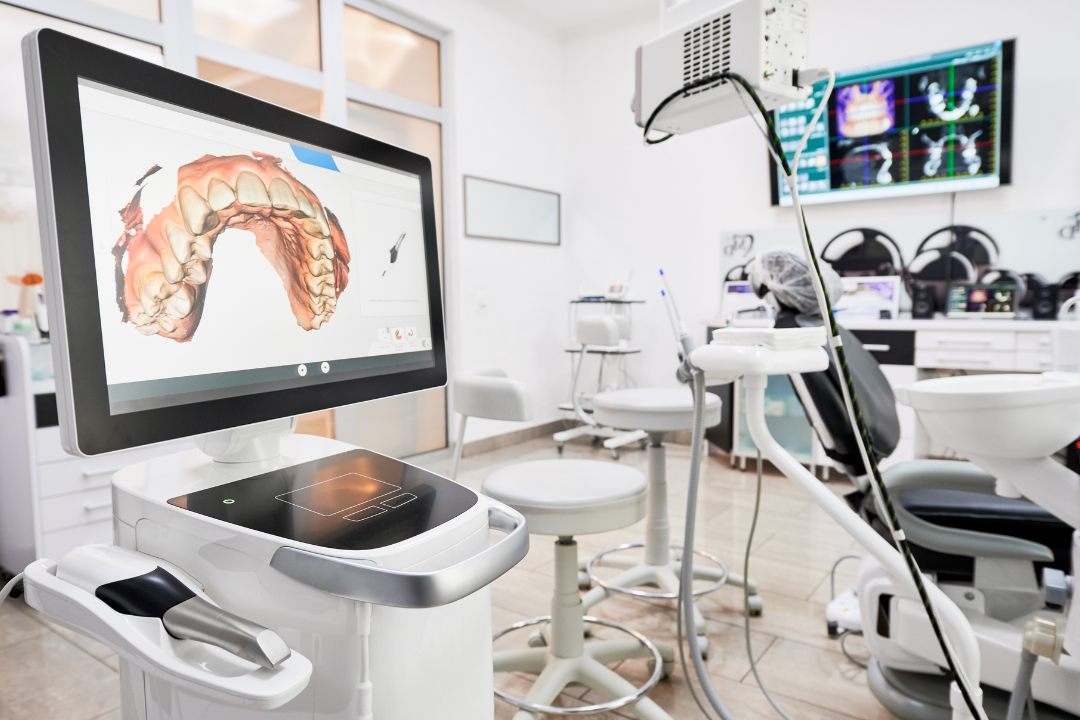
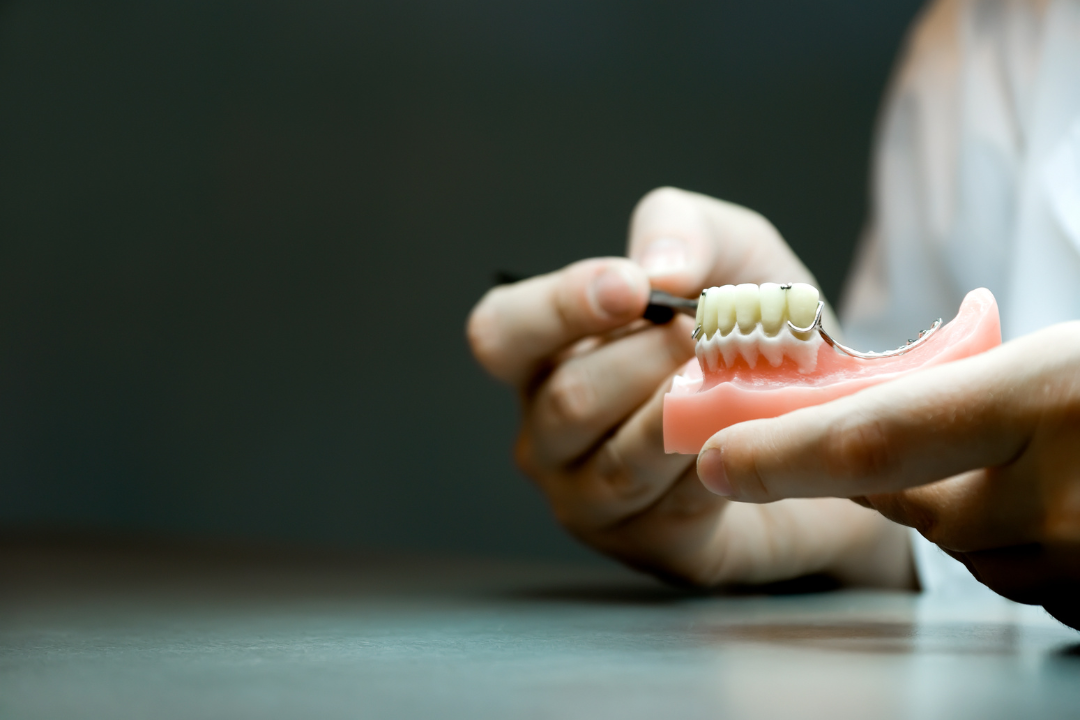
A device that seats on your teeth or bone and constrains the drill to a single planned trajectory: position, angle and depth. It is printed from the plan built on your CBCT and scan.
It carries a decision made carefully at a screen into a mouth where visibility is limited and there is no opportunity to reconsider.
The accuracy actually achieved
Published deviations between planned and achieved position are consistently smaller with guided placement than freehand, typically within a small fraction of a millimetre at the platform, with slightly greater deviation at the apex.
It is not zero. The honest framing is materially more predictable, not perfect.
What determines whether it works
How well the guide seats. A guide printed from a poor scan fits poorly, and a poorly fitting guide is worse than none, because it confers false confidence.
This is why the scan quality, the printer calibration and the post-curing protocol are not incidental details. They determine whether the guide is an instrument or a liability.
When we depart from it
If the anatomy encountered does not match the plan, the guide is set aside. The surgeon’s judgement takes precedence over the appliance every time.
A guide is an aid to executing a good plan. It does not substitute for the judgement that produced the plan.
Ask whether guided surgery is planned and what imaging it is built from. In the aesthetic zone especially, position determines whether the final crown looks like a tooth.
To determine whether this procedure is indicated in your particular case, we invite you to request a clinical assessment.