Five days is the shortest window in which meaningful treatment can be completed without compressing anything that should not be compressed. Here is what it actually contains.
Day one: assessment and design
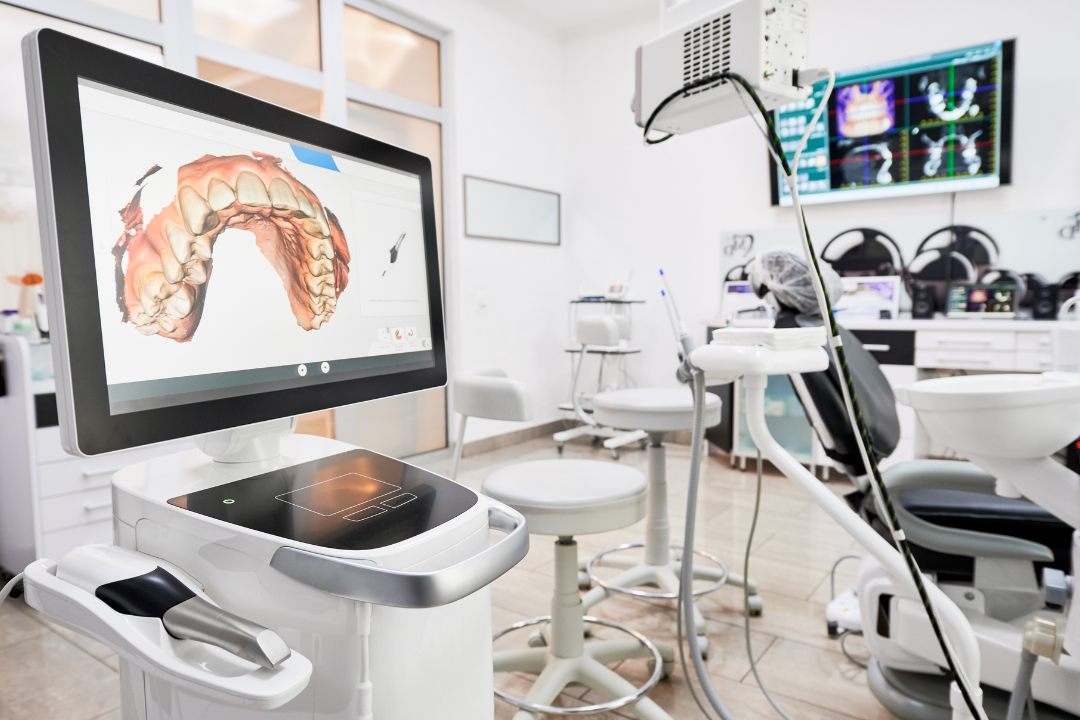
CBCT, photographs, scans, periodontal assessment, occlusal analysis. Then a proper conversation about what we found and whether it matches what we told you remotely.
The plan is confirmed or revised at this point, in writing, before anything else happens. This is the day a plan occasionally changes, and it is far better that it changes here.
Day two: try-in and preparation
For aesthetic cases, the mock-up goes in and you look at it, speak with it, photograph it, and sleep on it if there is any doubt. Changes made here cost nothing.
Preparation follows once it is approved, guided by the approved design, with provisionals fitted the same day.
Day three: laboratory time
Usually free for you while the ceramist works. Some patients use it to see the city, some to work, some to rest, and after a long day two the third option is more popular than expected.
Day four: try-in of the definitive work
The restorations are tried in unbonded so shade, shape and margins can be assessed and adjusted. Changes are still possible at this point and are commonly made.
This is the appointment that a compressed schedule tends to eliminate, and it is the one that should not be.
Day five: bonding and review
Cementation under isolation, occlusal adjustment, polishing, final photographs. Then a review before you leave, and instructions in writing.
Two spare days after this is the difference between calm and rebooking a flight.
That is five working days for aesthetic treatment on sound teeth. Anything surgical adds healing time that no schedule can remove.
If you want to know how this would apply to your smile, book a remote consultation with us.