For a patient travelling for implant treatment, the value of guided surgery lies substantially in what it permits to be decided before arrival.
Planning conducted in advance
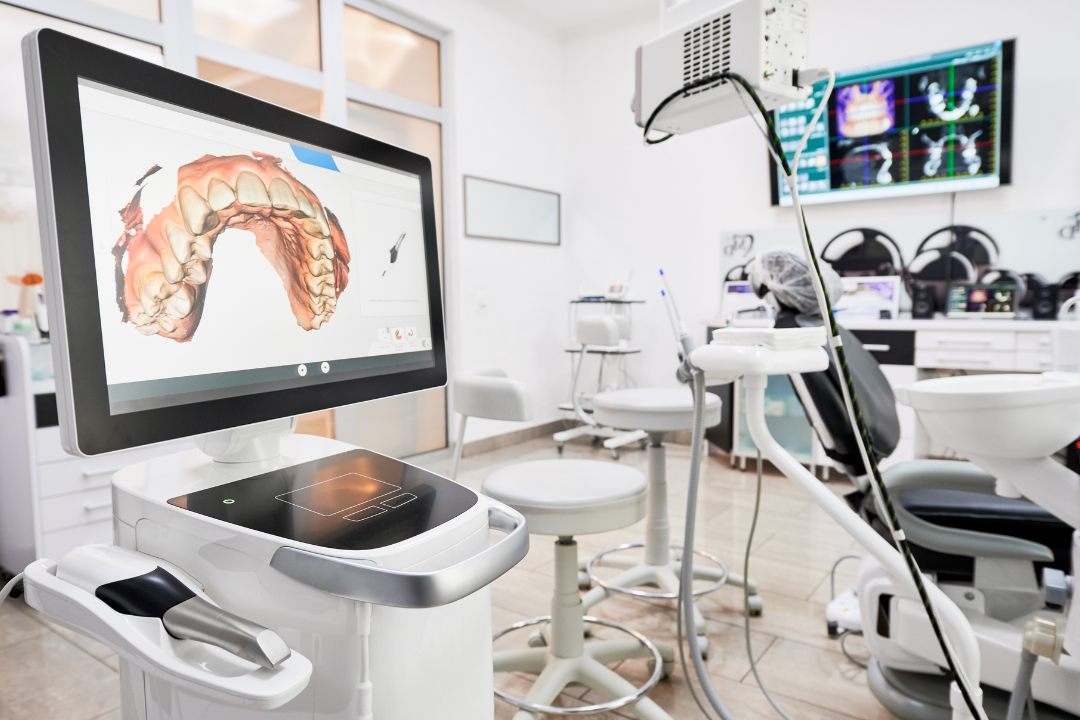
Working from cross-sectional imaging and a scan, implant position, depth, angulation and rotation are determined on screen, together with the position of the final restoration they will support.
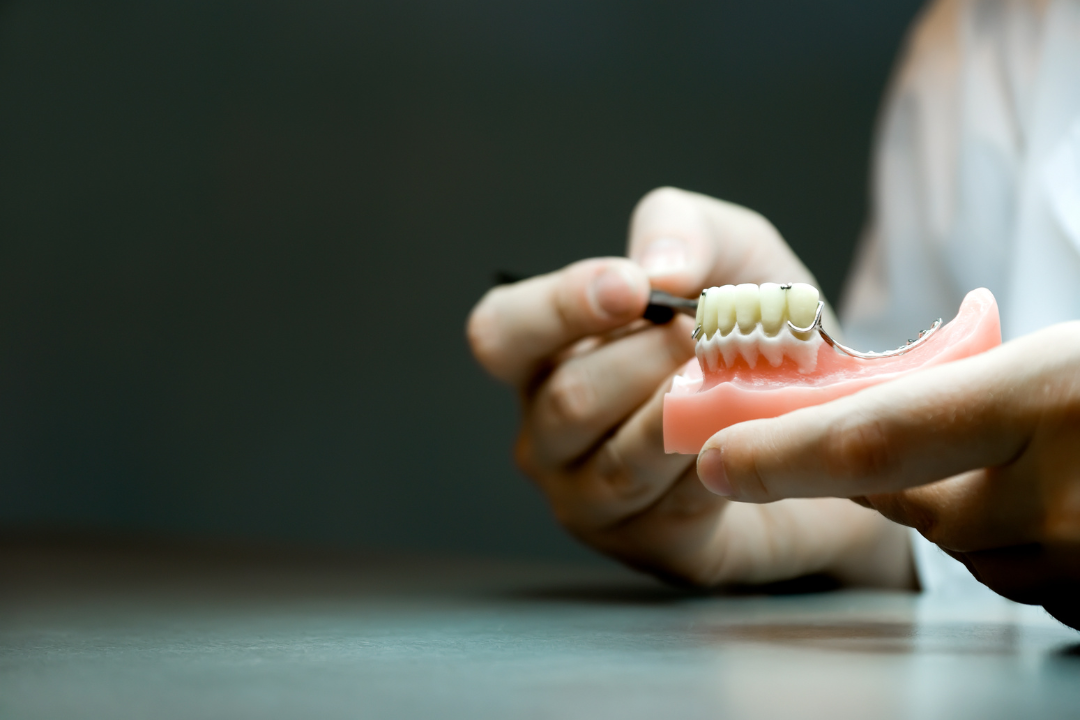
The surgical guide is fabricated from that plan, so the procedure executes a decision already made rather than one taken intraoperatively.
The clinical consequence
The implant is positioned according to where the tooth must emerge rather than merely where bone is available. This is the difference between a crown that appears natural and one requiring compensation for an unfavourable angle.
Surgery tends to be shorter, and in suitable cases less invasive, as flap reflection for visualisation may be reduced or avoided.
Why it matters particularly for travelling patients
A shorter, less invasive procedure means a more comfortable recovery within a limited stay. Predictable positioning also makes immediate provisionalisation more feasible where indicated.
Planning conducted before arrival means the surgical appointment can be scheduled early in the visit rather than after several days of assessment.
Documented accuracy and its limits
Guided placement demonstrates smaller deviation from planned position than freehand placement, though deviation is not zero and the surgeon must be prepared to depart from the guide where anatomy requires.
Accuracy depends on the fit of the guide, which depends in turn on the quality of the scan from which it was produced.
Guided surgery does not substitute for surgical judgement. It transfers a carefully considered plan into the mouth reliably, which is precisely what a compressed treatment window requires.
To determine whether this procedure is indicated in your particular case, we invite you to request a clinical assessment.