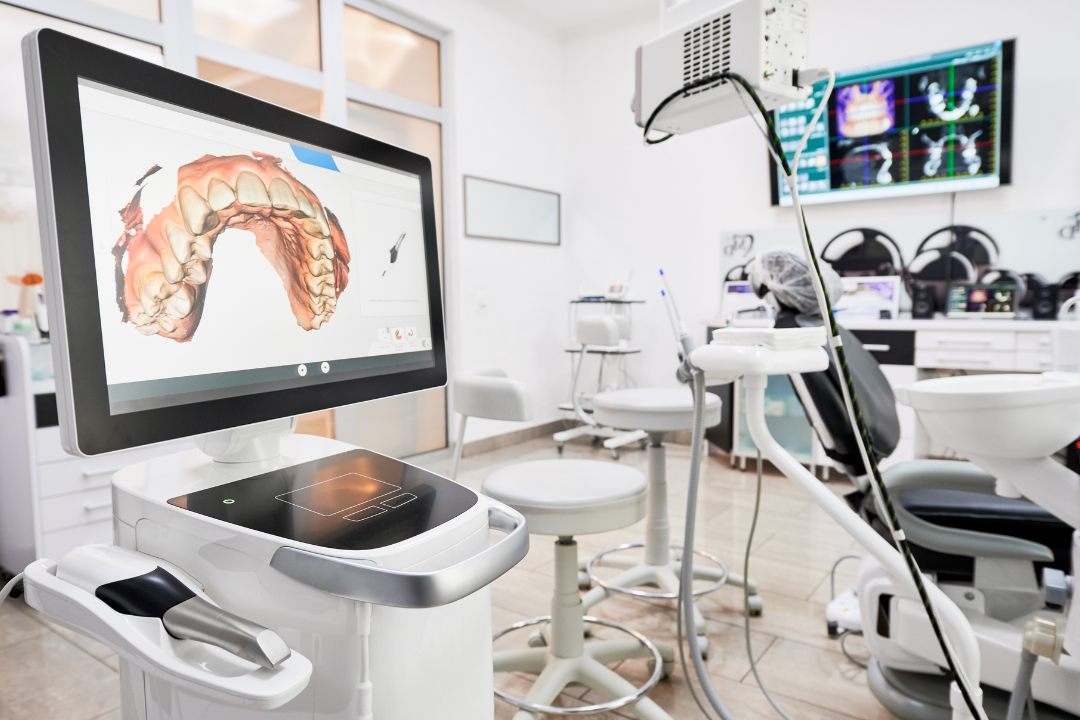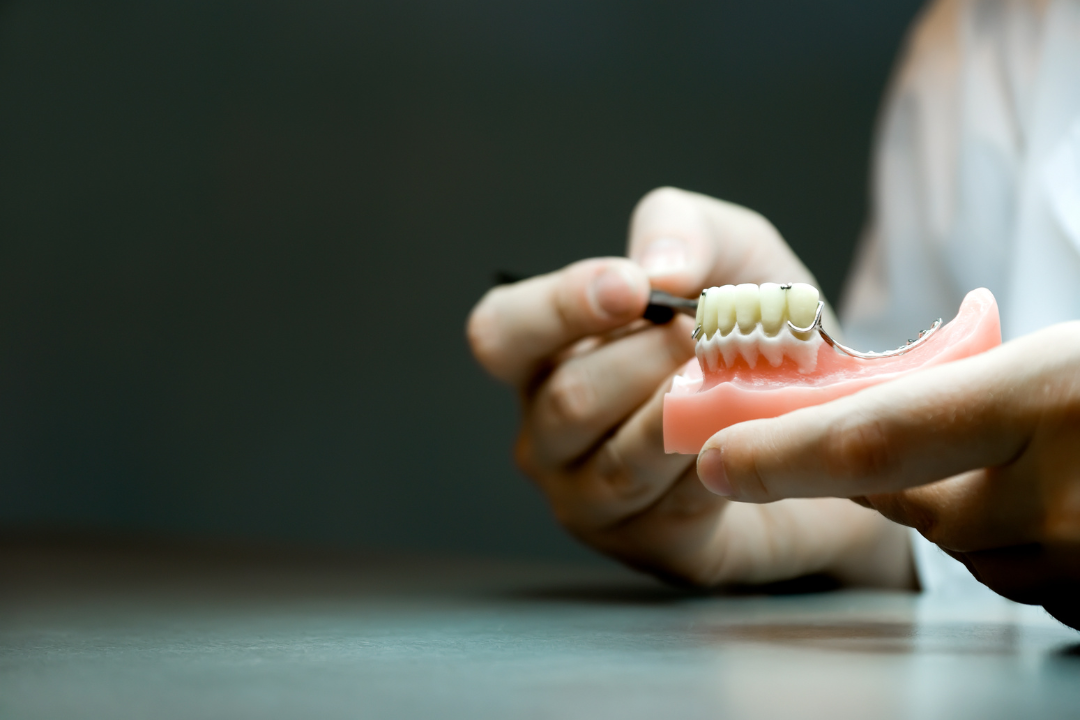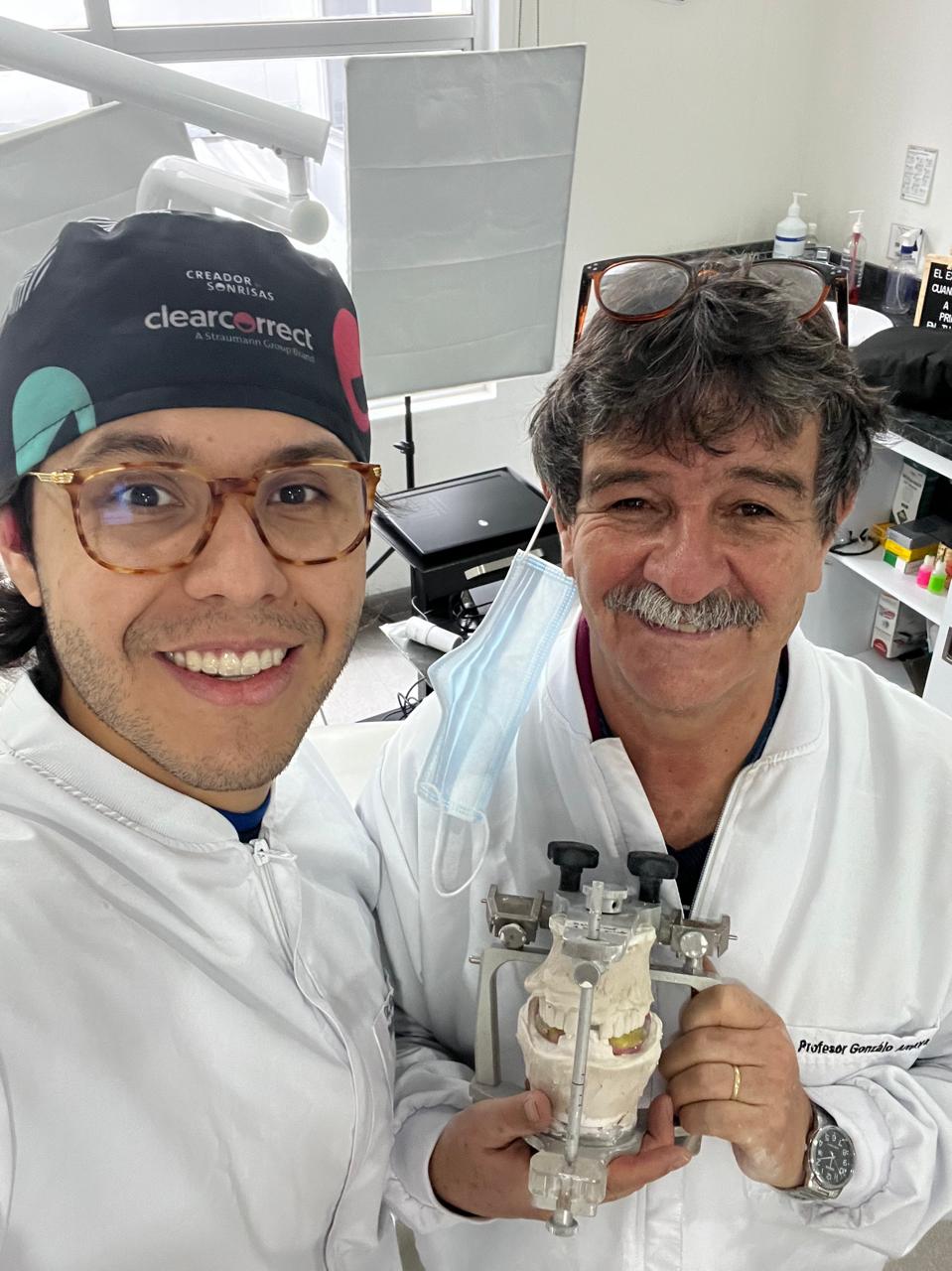
Every patient we treat leaves with a complete photographic and digital record of their case. That is partly for us, but it matters considerably more to you than it might sound.
What gets recorded
A standardised series of photographs before treatment, at each significant stage, and at completion. The CBCT if one was taken. The digital scans. The implant system details and reference stickers. The written plan and any revisions to it.
The standardisation matters: same angles, same lighting, same distance. Otherwise you cannot compare one visit to the next.
Why it protects you
If you need treatment anywhere else in the world, this record means the next clinician is not starting blind. That is worth a great deal when you live in New York and were treated in Bogota.
It also means that if something is disputed later, there is documentation rather than recollection.
Why it makes the treatment better
You cannot assess your own work honestly without records. Reviewing a case at five years against the photographs from the day it was finished is uncomfortable and it is how technique actually improves.
A practice that photographs everything is a practice that has decided to be able to see its own mistakes.
What you should ask for
Ask, at the end of treatment, for your photographs, your scan files and your implant details. You should not have to justify the request. If a practice cannot produce them, it was not recording properly in the first place.
Expect it as standard. It costs the practice time and gives you something genuinely portable, which in dental travel is not a small thing.
Questions about your own case? Send us your photos and we will walk you through the options.