Jaw clicking is extremely common, and the question of whether it must be treated before other dental work has a more nuanced answer than either always or never.
How common and how significant
Clicking without pain and with normal opening occurs in a substantial proportion of the population and, in the absence of other findings, does not in itself require treatment.
It generally represents displacement of the articular disc which reduces during opening. Many people have this for decades without consequence.
When it does require attention first
Pain in the joint or the muscles. Limited opening, or episodes of locking. A change in how the teeth meet. Clicking that has recently altered in character.
Any of these indicates assessment before restorative treatment, because the jaw position used to record the bite may not be stable.
Why it matters for extensive treatment
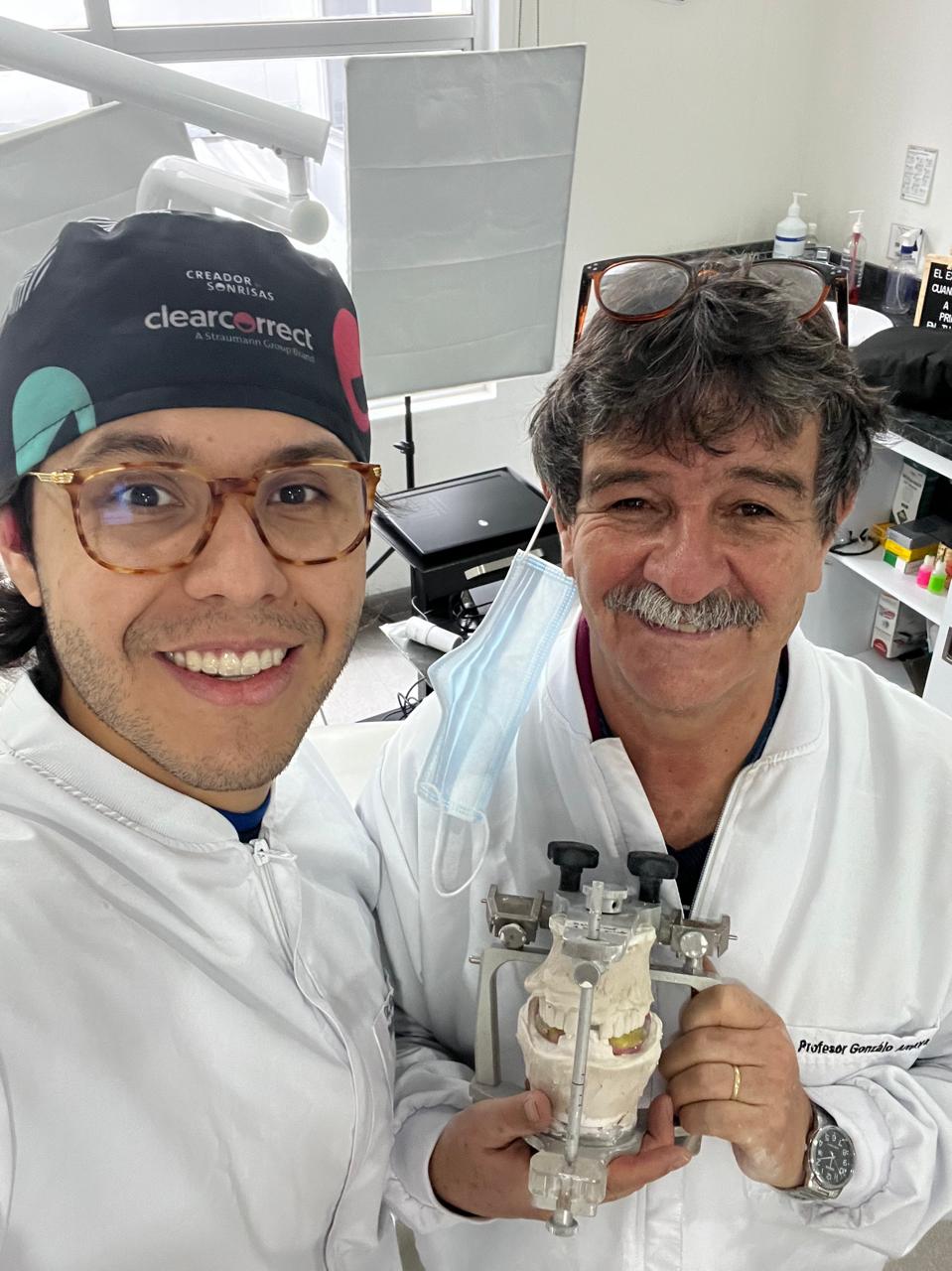
Restorative work that changes the bite is built to a recorded jaw relationship. If the joint is unstable or symptomatic, that recording may not represent the position the patient will settle into.
The consequence is a reconstruction that no longer fits correctly once the joint stabilises, which is an expensive problem to discover late.
How it is usually managed
Where treatment is indicated, it typically begins conservatively: a splint, activity modification, and time. Surgical intervention is uncommon and rarely a first step.
Stabilisation before restorative treatment is a sequencing decision rather than an additional treatment, and it is worth the delay.
Painless clicking with normal function generally requires monitoring rather than treatment. Pain, limitation or a changing bite should be assessed before any extensive restorative work begins.
Questions about your own case? Send us your photos and we will walk you through the options.