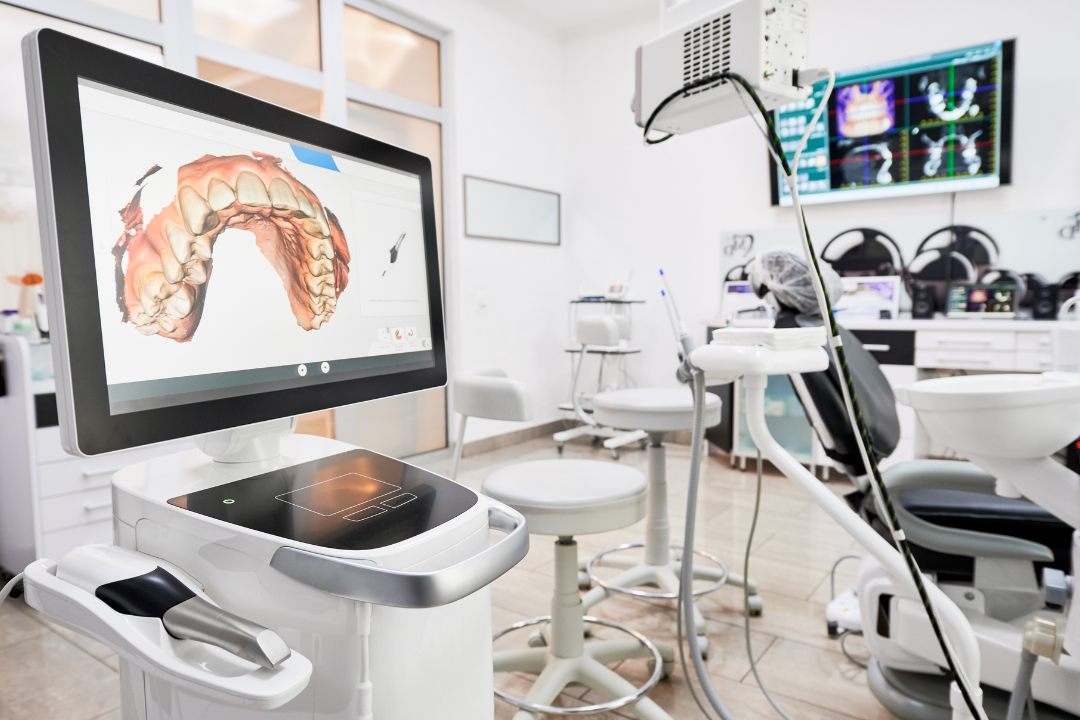
Same-day milled restorations are frequently presented as a convenience. For a patient with a fixed return flight, they are closer to a structural advantage.
What it removes from the schedule
The conventional sequence requires preparation, provisionalisation, laboratory time, and a second appointment for fitting. For selected restorations, milling in-house collapses that into one visit.
For a travelling patient, that can be the difference between a treatment needing two trips and one needing a single trip.
Where it is genuinely appropriate
Inlays, onlays, single posterior crowns and single implant crowns. Restorations where mechanical performance matters more than nuanced optical characterisation.
Published ten-year outcomes for these indications are comparable to conventional laboratory work, so this is not a compromise for the sake of speed.
Where it is not
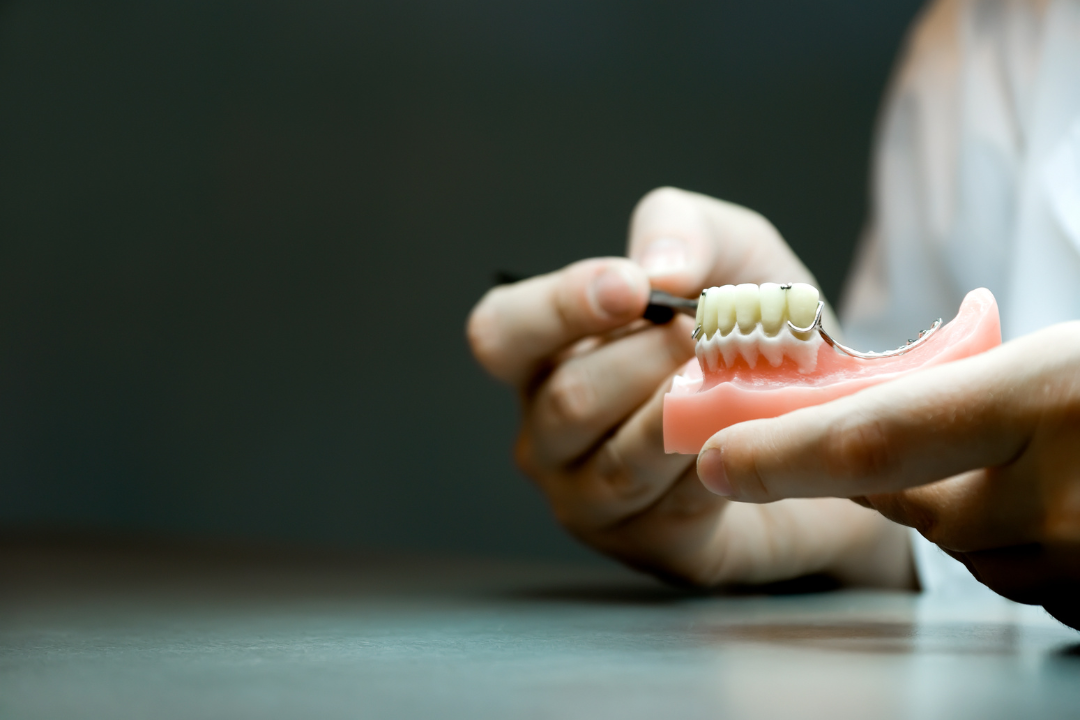
Anterior restorations adjacent to natural teeth, where matching translucency, internal effects and surface texture requires a ceramist’s hand. A milled monolithic unit beside a natural central incisor is usually identifiable.
We would rather add a laboratory day to the schedule than deliver an anterior result that is merely acceptable.
How we use it in practice
Posterior and implant restorations milled in-house to compress the schedule; anterior aesthetic work sent to the ceramist with a try-in stage retained.
The two approaches are complementary, and choosing between them per restoration is the point rather than committing to one.
Same-day milling is a scheduling advantage where the indication fits and a compromise where it does not. The useful question is which of your restorations fall into which category.
For an individual assessment of your case, you can request a consultation at our Bogotá practice.