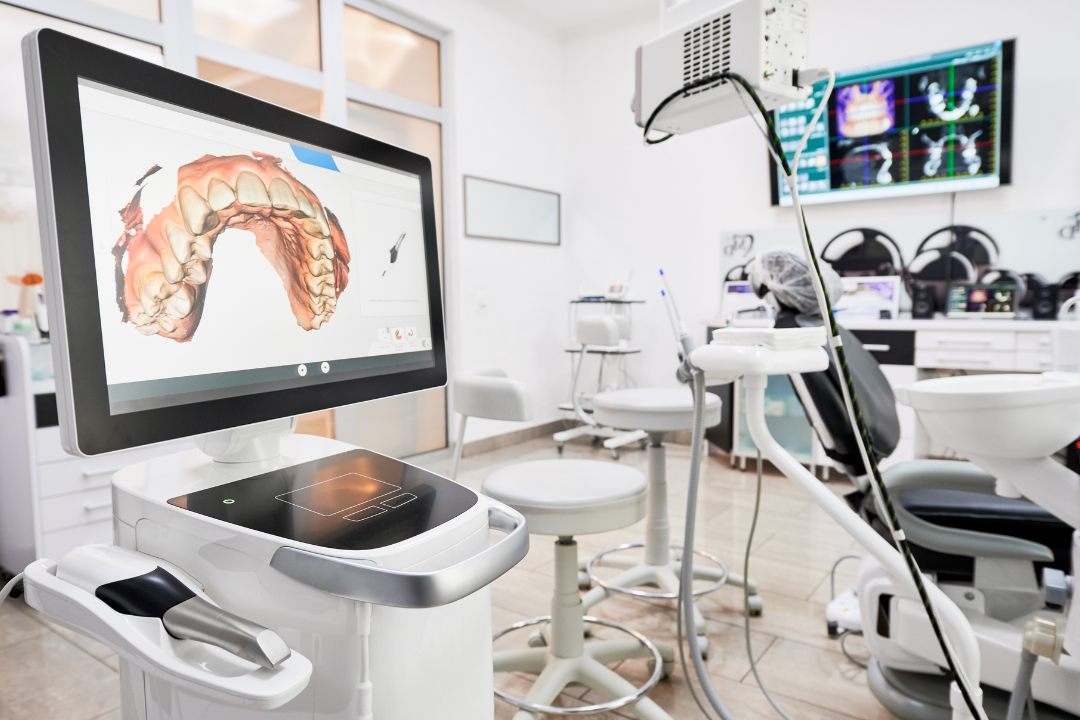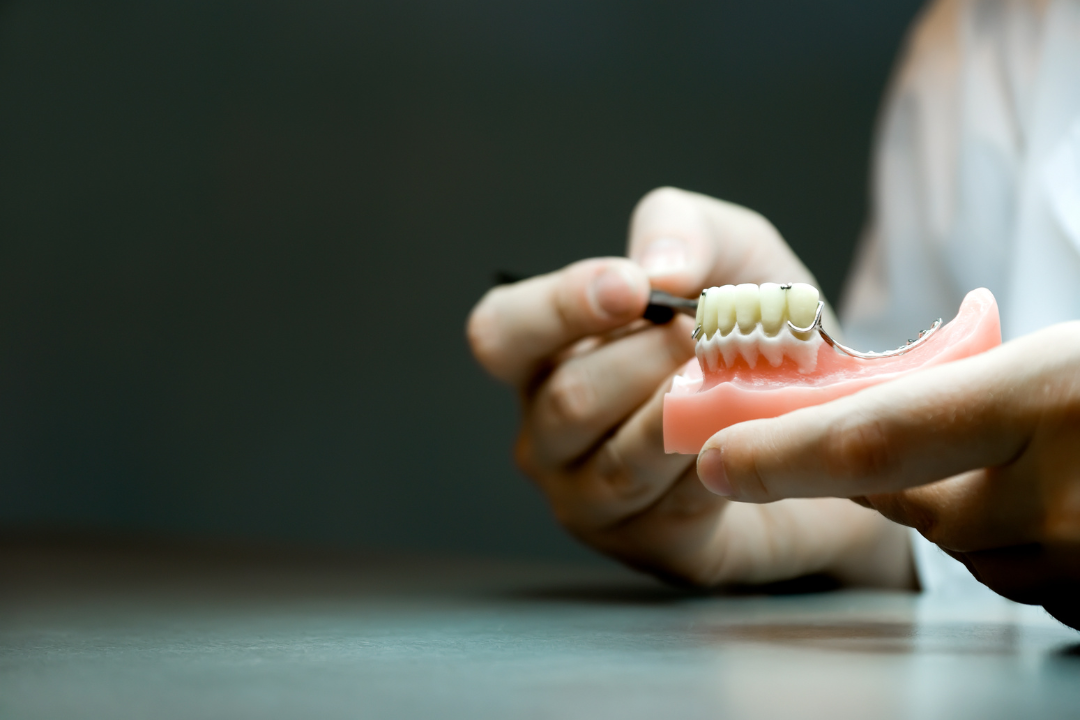
A comprehensive assessment in the patient over fifty differs in scope from a routine examination, and knowing what it should contain allows the patient to judge whether one has been performed.
Periodontal assessment
Full-mouth pocket charting with recession and mobility recorded, not a visual inspection. This establishes the foundation on which any restorative plan depends and provides the baseline against which future change is measured.
Occlusal and functional assessment
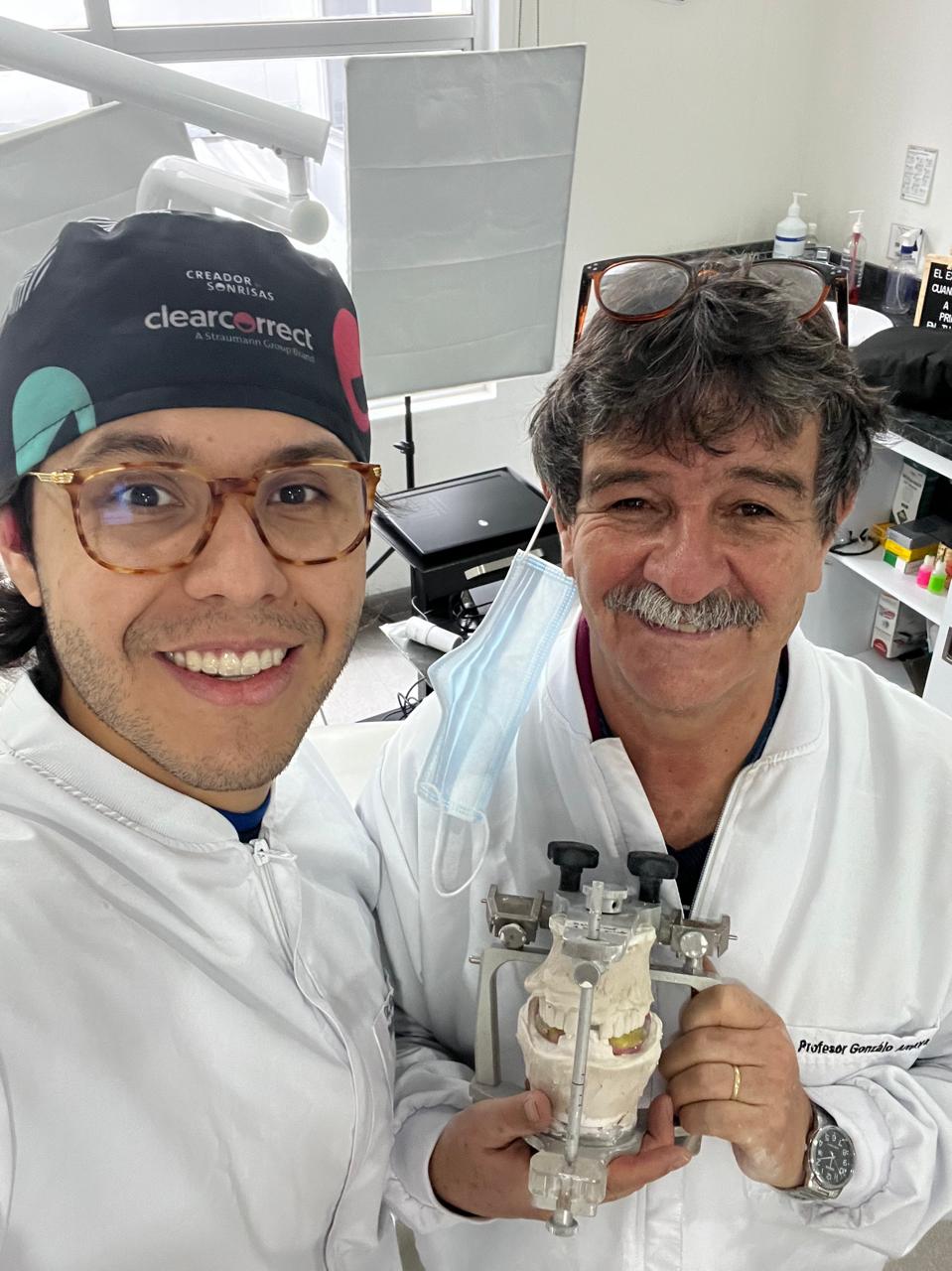
Recording of the occlusal relationship, identification of interferences, assessment of wear patterns and their distribution, examination of the temporomandibular joints and masticatory musculature.
Wear facets should be interpreted rather than merely noted, since their pattern indicates the mechanism responsible.
Radiographic and structural assessment
Appropriate radiographic examination including bitewings for interproximal surfaces and bone levels. Cross-sectional imaging where implant treatment is contemplated.
Assessment of existing restorations for marginal integrity, recurrent caries, cracks and remaining tooth structure. In this age group the condition of restorations placed decades earlier is frequently the principal finding.
Medical and salivary assessment
Complete medication history including supplements and intermittently administered agents. Assessment of salivary function. Screening examination of the oral mucosa, which is of increasing importance with age.
These influence caries risk, healing and material selection, and are frequently omitted.
An assessment producing a treatment plan without these components has produced a proposal rather than a diagnosis. The findings should be presented before the plan.
For an individual assessment of your case, you can request a consultation at our Bogotá practice.