If you are being quoted for a full arch, there is one question that changes the price more than any other, and a surprising number of patients never get asked it: what is the final bridge actually made of?
The two common answers
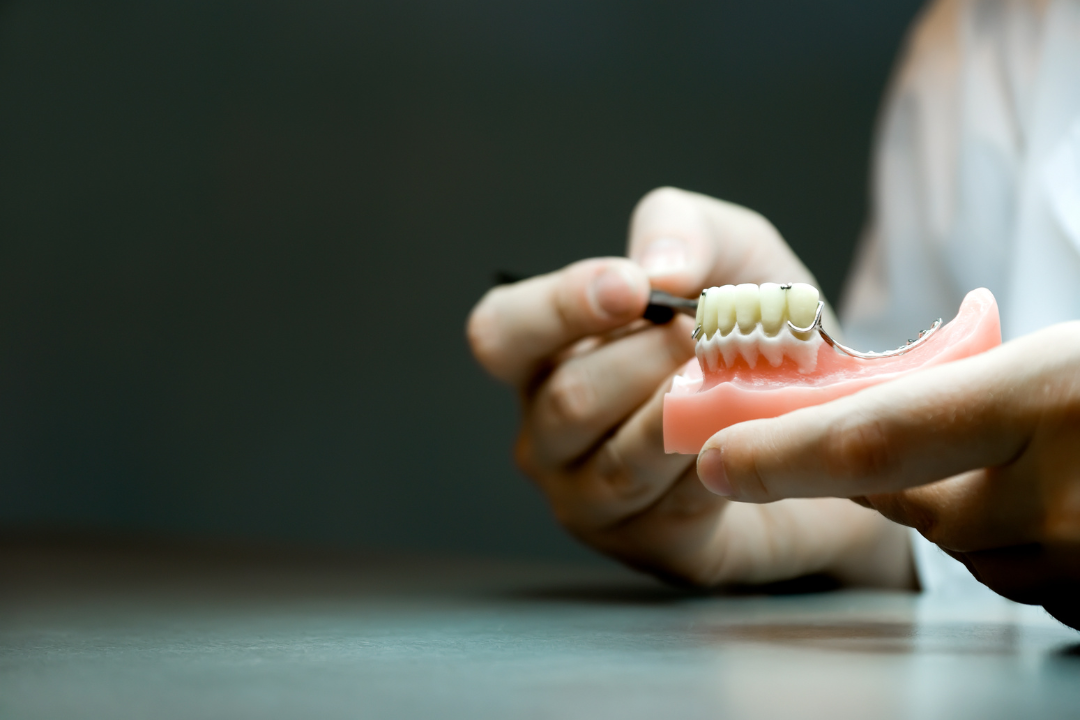
Acrylic on a titanium bar is the more affordable option. It is lighter, easier to repair, and easier to adjust if something needs changing later.
Monolithic zirconia is milled from a solid ceramic block. It costs more, resists wear and staining far better, and generally needs less attention over the years.
How they age differently
Acrylic teeth wear down. Over five to ten years you should expect the biting surfaces to flatten and the shade to dull, and periodic repair or replacement of the teeth is a normal part of owning one.
Zirconia does not wear in the same way. What it does instead is fracture if it is overloaded, and a fracture usually means remaking rather than repairing.
Which one you are being sold
Here is where it gets slippery. Some full-arch packages quote an acrylic provisional as the finished product, while the photographs on the website show zirconia. Both are legitimate treatments. They are not the same purchase.
Ask which one your quote covers, and ask what the second one would cost. The gap tells you a lot.
How to choose
Heavy grinders, strong bites and patients who want the longest interval between maintenance visits generally do better in zirconia. Patients who expect their situation to change, or who want easier future adjustments, are often better served by acrylic.
There is no universally right answer, but there is definitely a wrong one: choosing without knowing which material you agreed to.
Questions about your own case? Send us your photos and we will walk you through the options.