
Guided Implant Surgery: Planning Before You Arrive
For a patient travelling for implant treatment, the value of guided surgery lies substantially in what it permits to be decided before arrival.

For a patient travelling for implant treatment, the value of guided surgery lies substantially in what it permits to be decided before arrival.
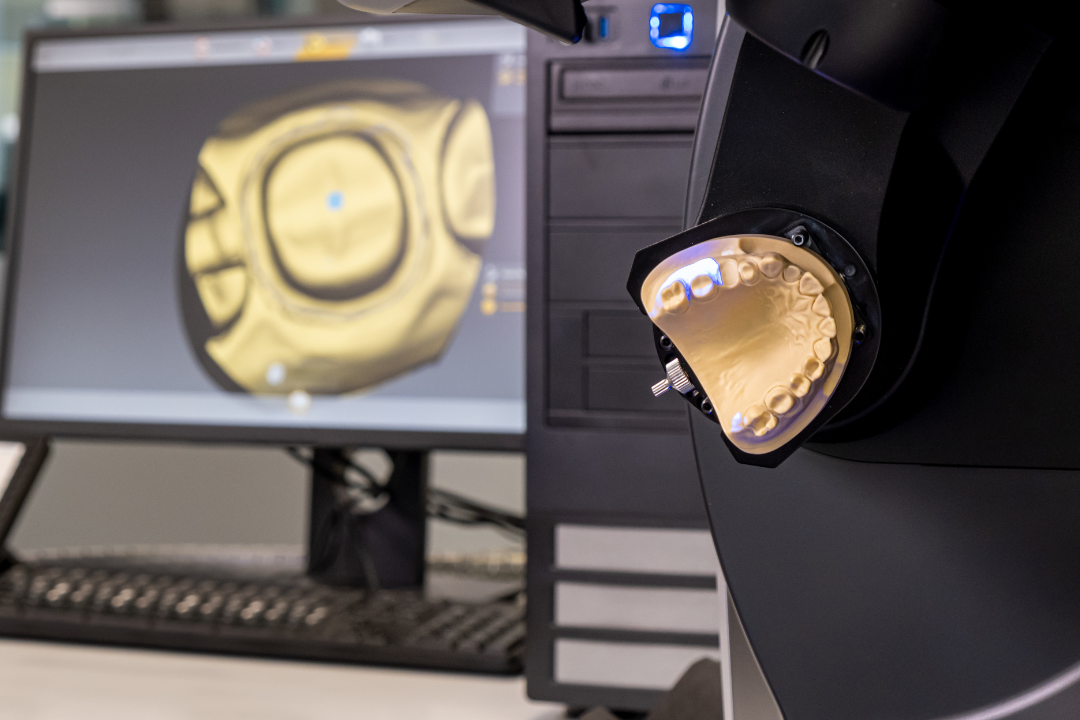
Same-day milled restorations are frequently presented as a convenience. For a patient with a fixed return flight, they are closer to a structural advantage.
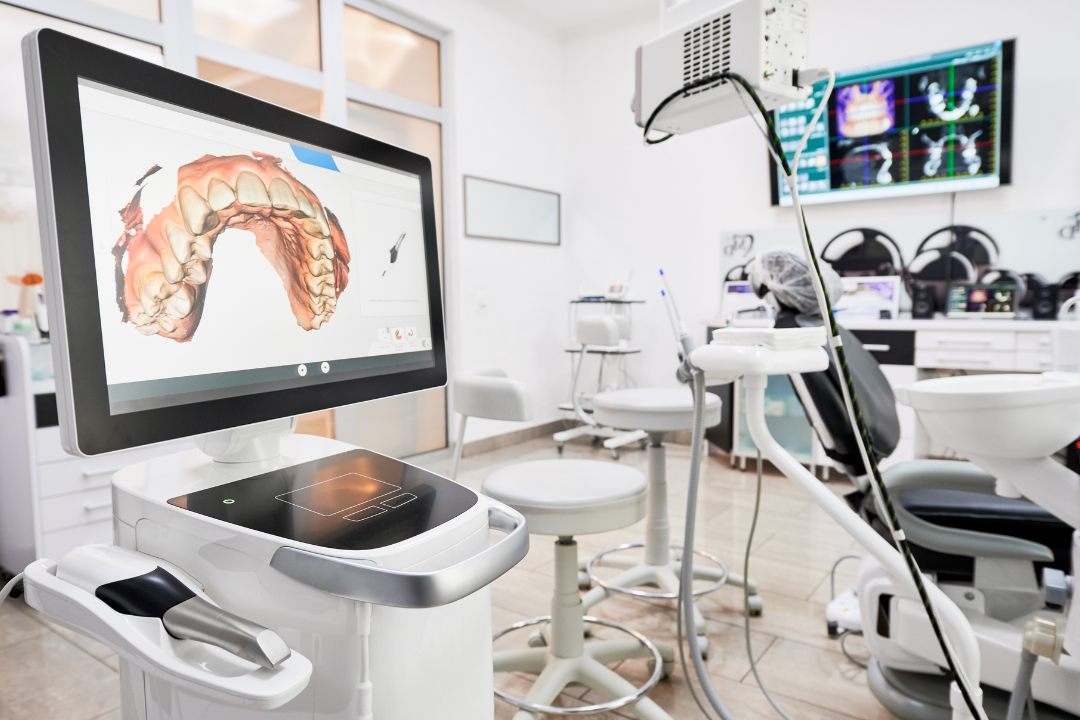
Digital smile design is often presented as a visualisation tool. For patients treating abroad its real value is different: it moves the decisions to before the flight.
Booking an international flight on the strength of a verbal description of your future smile is a considerable leap of faith. It has not been necessary for some years now.

Implants placed in the sixties will require maintenance into the eighties, and planning for the patient one will become is a legitimate part of prosthetic design.

A comprehensive assessment in the patient over fifty differs in scope from a routine examination, and knowing what it should contain allows the patient to judge whether one has been performed.

Retirement changes the calculation around major dental treatment in several directions at once, and the timing decision deserves more thought than it usually receives.
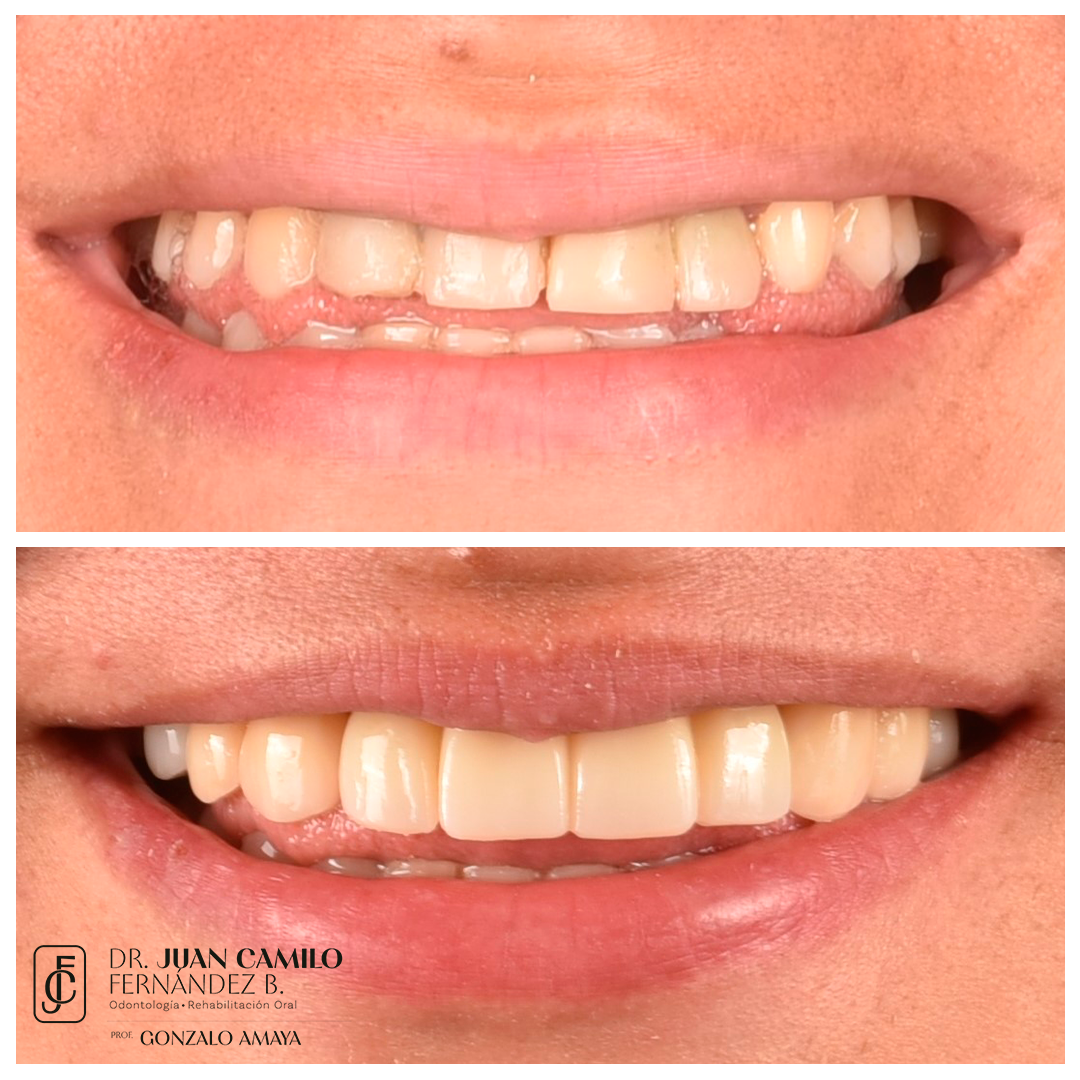
Sometimes a single tooth is the reason a whole treatment plan is uncertain, and how that tooth is handled determines whether the plan holds together.
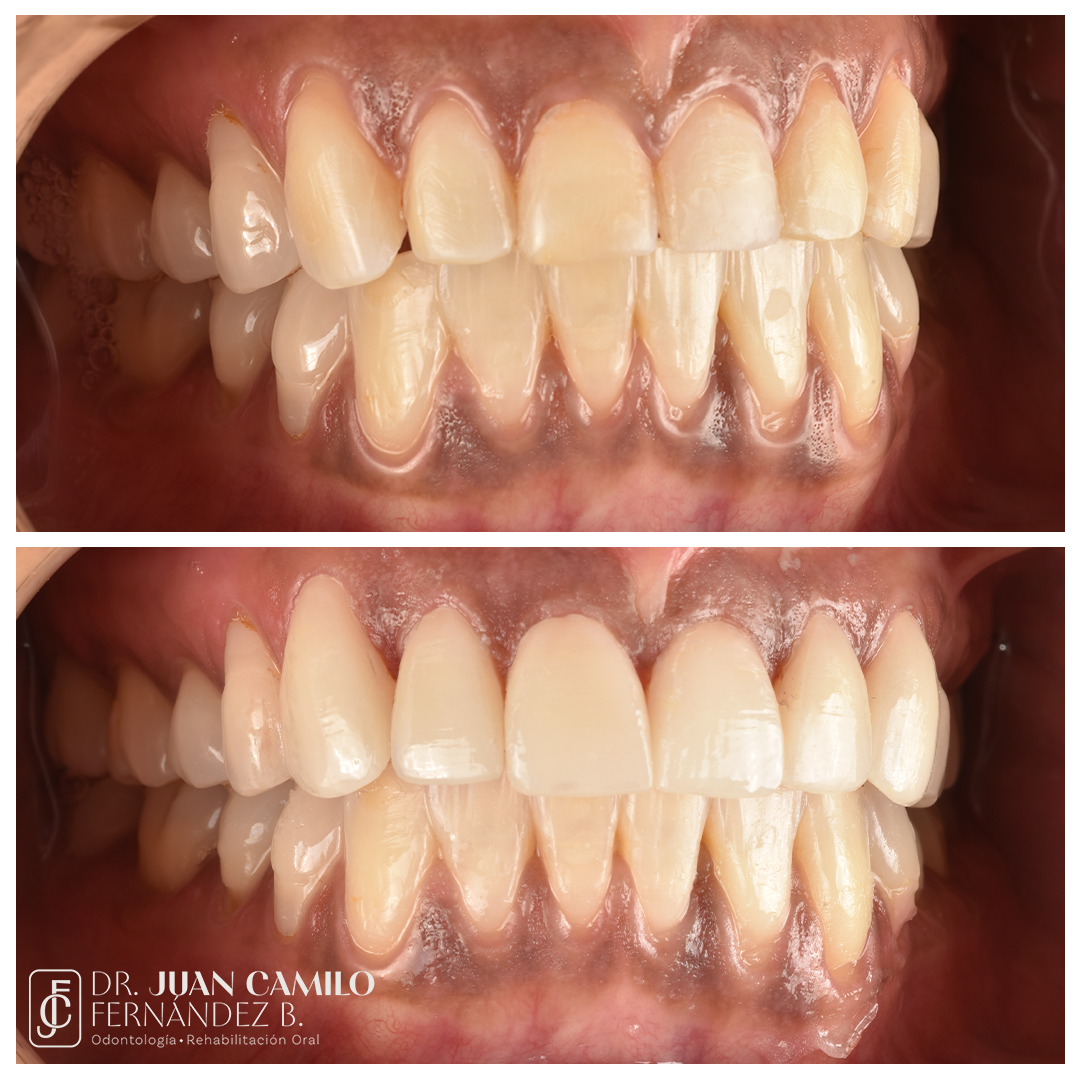
A partial denture that has stopped being worn represents a treatment failure, and the reasons are worth examining before a replacement is fabricated to the same specification.
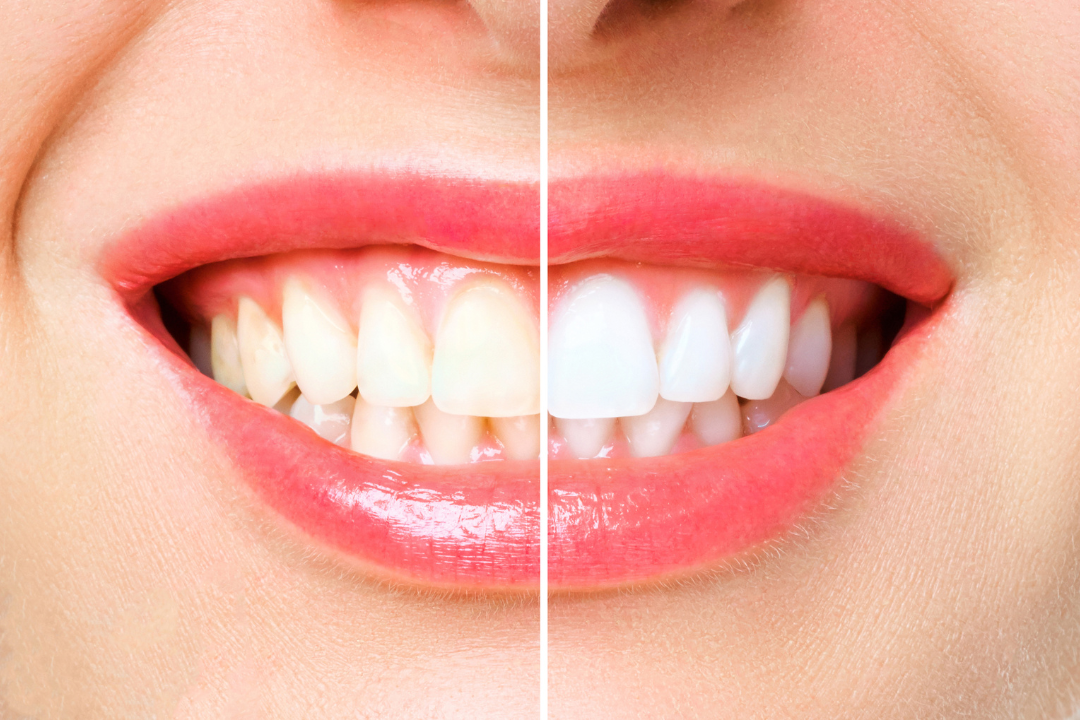
Shade selection in the older patient requires criteria distinct from those applied to younger patients, and the request most frequently made is the one least likely to produce a satisfactory result.
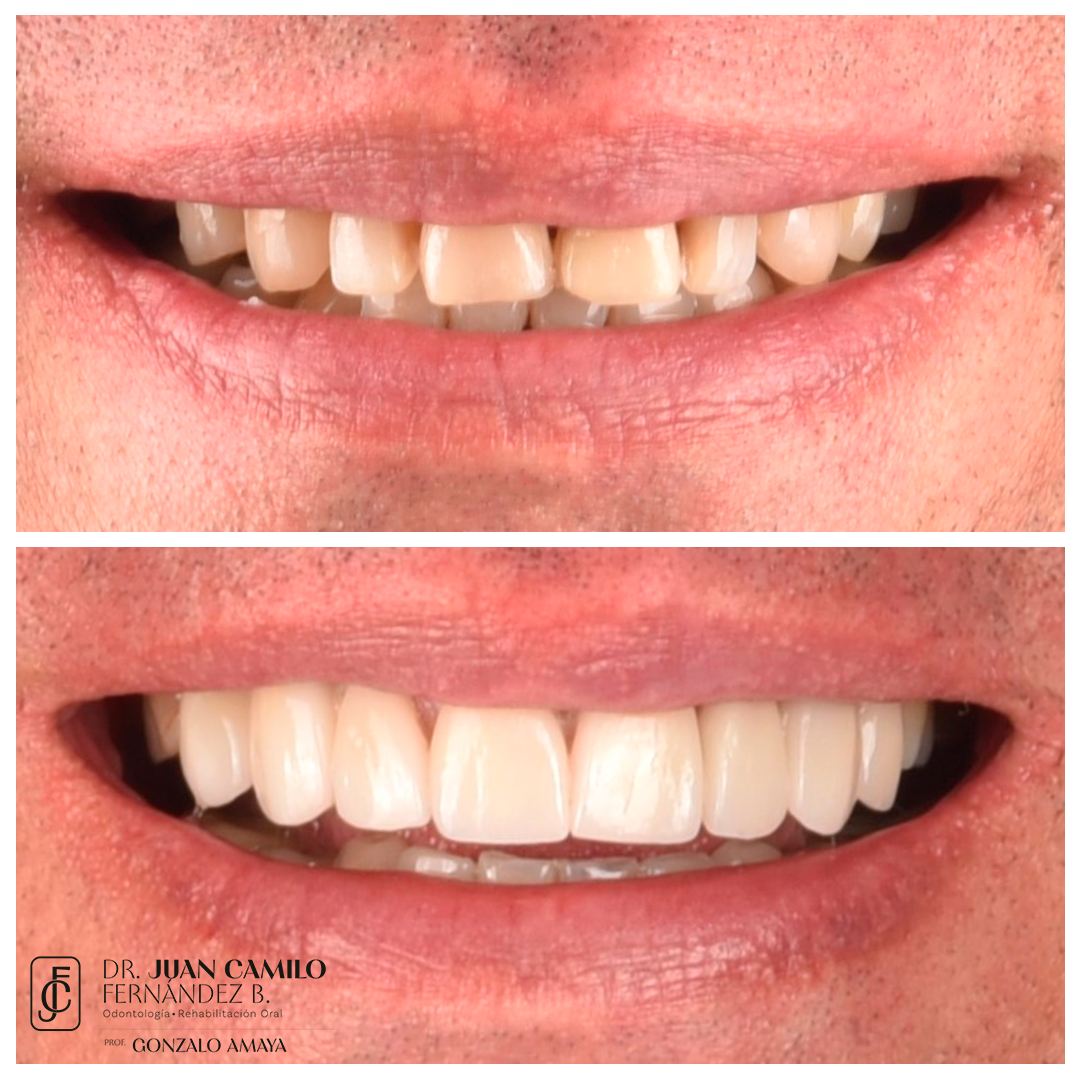
The most common regret after cosmetic dental treatment is not that it failed. It is that it looks like dental work, and that outcome is designed in rather than accidental.
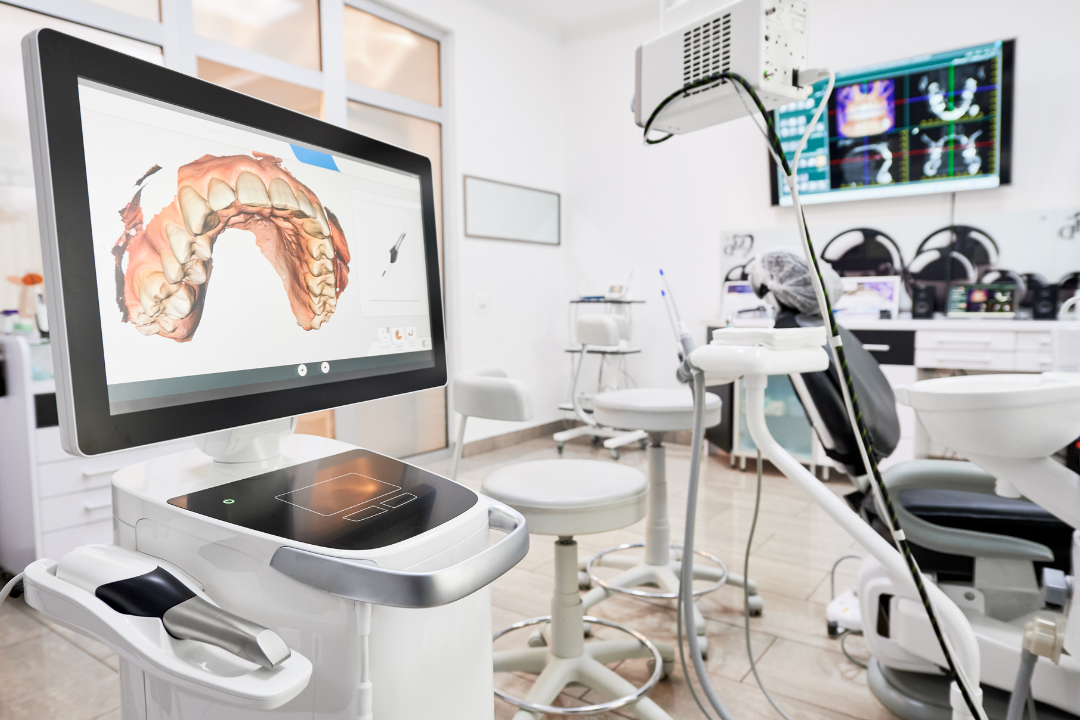
Jaw clicking is extremely common, and the question of whether it must be treated before other dental work has a more nuanced answer than either always or never.

Sensitivity that begins in middle age generally has an identifiable cause, and the important first step is distinguishing it from something that needs urgent attention.
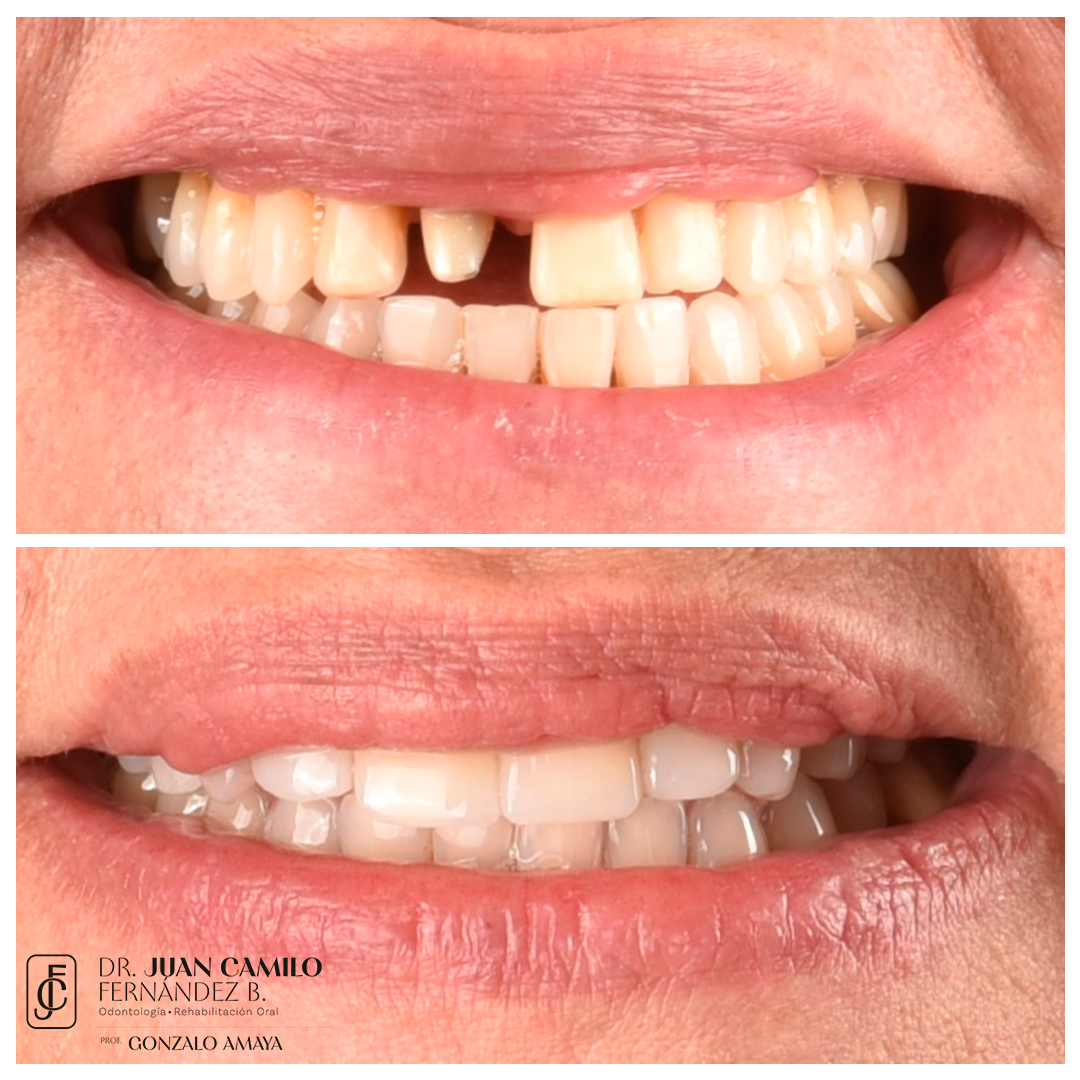
A chipped front tooth has three sensible answers, and the profession’s default has shifted considerably toward the most conservative one over the past two decades.
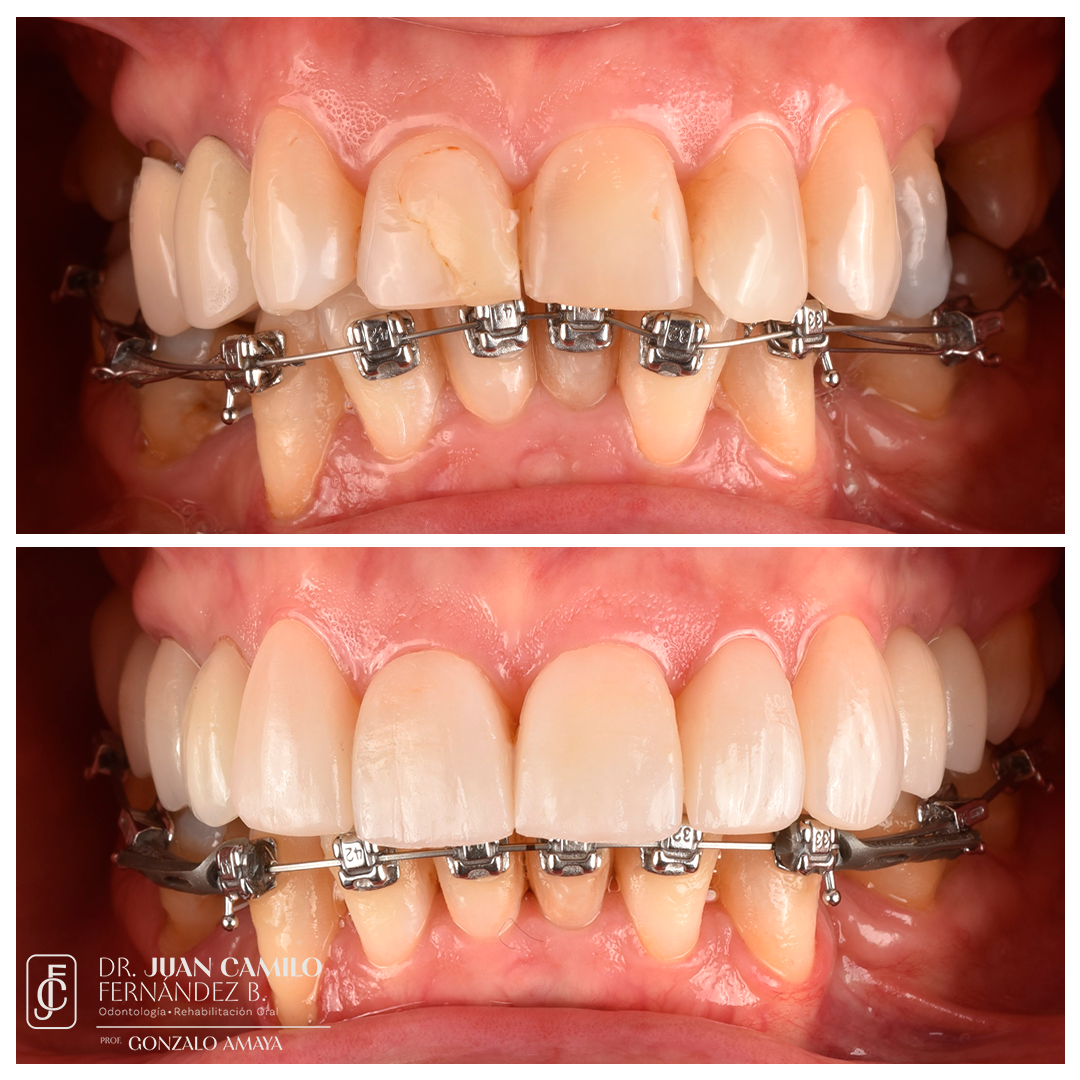
Teeth that were straight at twenty-five and are crowded at fifty-five are not a sign that your orthodontics failed. This happens to people who never had orthodontics at all.